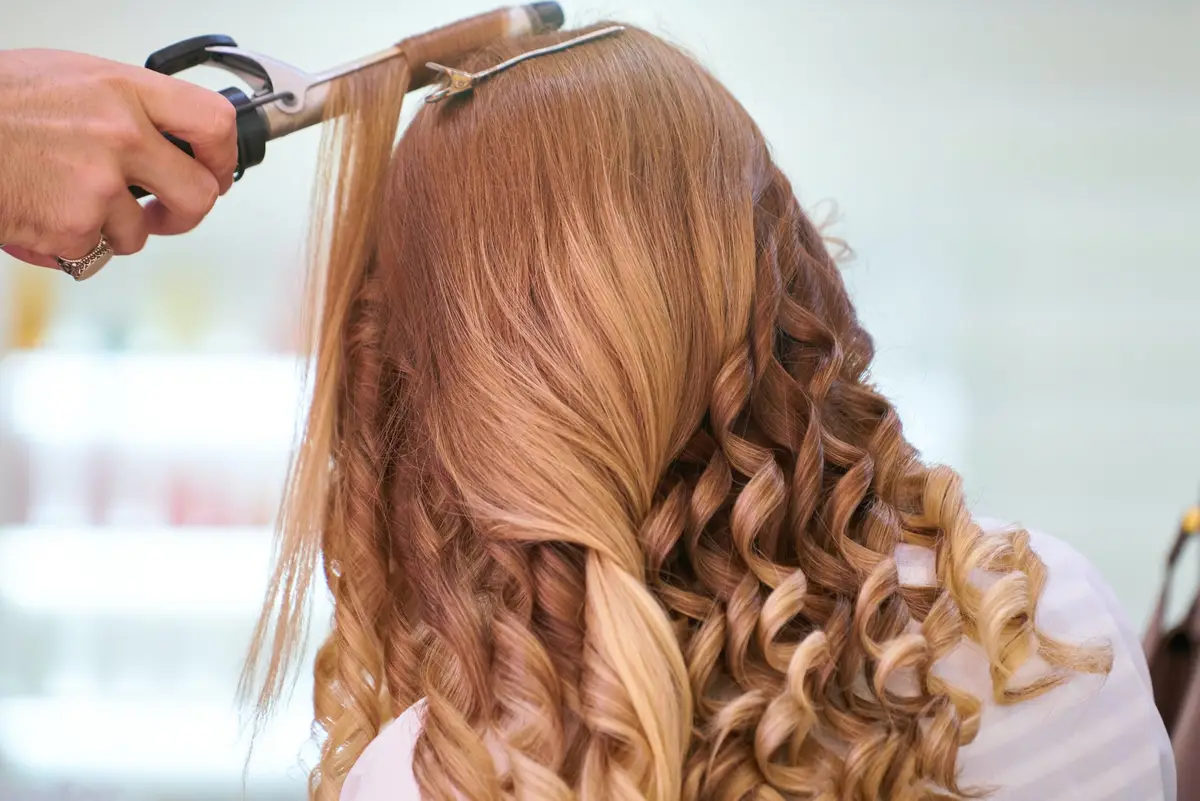
In Texas, the license that lets you cut, color and style hair for pay is the Cosmetology Operator license, issued by the Texas Department of Licensing and Regulation (TDLR). Getting it is a clear, step-by-step process: train at a licensed school, pass two exams, and apply. This guide walks through each step using TDLR’s own requirements, explains exactly what the license lets you do, and covers what most guides skip: how to turn a new license into a full book of clients.
Rules and forms change, so always confirm current details on TDLR’s Cosmetology Operator license page before you enroll or apply.
Texas hairstylist license requirements at a glance
- License: Cosmetology Operator, issued by TDLR.
- Age: at least 17 years old.
- Training: 1,000 hours of instruction at a TDLR-licensed school. You hold a student permit while you train.
- Exams: a written exam (you become eligible after 900 hours) and a practical exam (after all 1,000 hours and a passed written exam), both run by PSI.
- Application: submitted to TDLR, with a non-refundable application fee (check TDLR for the current amount).
- License term: two years from the date of issue, then renewal.
Step 1: Choose a TDLR-licensed cosmetology school
Your hours only count if they come from a school that holds a Texas barbering or cosmetology school license, so verify the school’s TDLR license before you sign anything. When you compare schools, ask about the real schedule (full-time, part-time, evenings), how much hands-on time you get on live clients, their exam pass rates, and what help they give graduates with job placement. A school with a busy student salon floor gives you more practice and your first taste of building client relationships.
Once you enroll, TDLR issues you a student permit for the duration of your training.
Step 2: Complete your 1,000 hours
The Cosmetology Operator course is 1,000 hours. It covers hair cutting, coloring, chemical services and styling, along with skin, nail and sanitation training and Texas laws and rules. Treat your training like the start of your business, not just a requirement:
- Photograph your best work (with permission) to start a portfolio.
- Notice what you love doing. Color, curly cuts, extensions, braids or bridal work can become your niche later.
- Keep in touch with the clients you serve on the student floor. Some of them will follow you.
How long does it take to become a hairstylist in Texas?
The honest answer is: it depends on your schedule. The requirement is fixed at 1,000 hours, so the calendar time comes down to how many hours a week you attend. Divide 1,000 by your weekly hours to estimate the number of weeks, then add time to schedule and pass both exams and for TDLR to process your application. A full-time student finishes far sooner than someone attending evenings around a job, so ask each school for its actual program length on the schedule you plan to keep.
Cosmetology, barbering or esthetics: which license fits you?
Before you enroll, make sure the Cosmetology Operator license is the right one for the work you want to do:
- Cosmetology Operator (1,000 hours): the broadest license: hair, color, chemical services, nails, skin, lashes and safety-razor shaving. The usual choice for hairstylists and colorists.
- Class A Barber: built around cutting and shaving, including straight-razor work. The choice if fades, lineups and hot-towel shaves are your focus.
- Esthetician (750 hours): skin care, facials, waxing and lashes, but no hair services.
Many professionals add a second license later, so think about where you want your career to be in a few years, not just your first job.
Step 3: Pass the written and practical exams
Both exams are administered by PSI on TDLR’s behalf:
- Written exam: once you complete 900 hours, your school notifies TDLR, and PSI emails you instructions to schedule your test.
- Practical exam: after you complete all 1,000 hours and pass the written exam, you perform procedures in front of an examiner.
The practical exam rewards preparation. Rehearse your full setup, sanitation steps and timing until they are automatic; candidates who struggle often lose points on procedure order and sanitation rather than technique.
Step 4: Apply for your license with TDLR
You can apply for your license any time after you are notified that you are eligible for the written exam, so there is no need to wait until the end. If you have applied and paid before your practical exam, PSI can issue a temporary license right after you pass it, valid for 60 days while your permanent license is processed.
Trained outside Texas? TDLR handles that through its license-by-equivalence process instead of the standard application, so start on its equivalence page.
What a Texas Cosmetology Operator license lets you do
The operator license is the broadest beauty license in Texas. According to TDLR’s scope-of-practice guide, it covers:
- All hair services: cutting, coloring, bleaching, chemical straightening and waving, styling and treatments
- Hair weaving to attach commercial hair (extensions)
- Nail services, including manicures, pedicures and false nails
- Facials, skin treatments and body hair removal
- Eyelash extensions
- Beard and mustache services, and shaving the face or neck with a safety razor
- Massage of the scalp, neck, shoulders, arms, face, hands and feet
The one notable exception: an operator may not shave with a straight razor. If straight-razor shaves and fades are the heart of what you want to do, look at the barbering route instead; our guide to the Texas Class A barber license covers it. If skin care is your focus and you don’t need hair services, the shorter Texas esthetician license may be the better fit.
Keeping your license active
Your Cosmetology Operator license is valid for two years. To renew, you complete TDLR-approved continuing education and submit your renewal before the license expires. The required topics have changed in recent years, so check TDLR’s renewal page at the start of each cycle rather than relying on what you remember from school.
Where to work after you’re licensed
Most new stylists in Houston move through some version of these three paths:
- A commission salon. The salon supplies the space, products and often the clients, and takes a share of each service. It is the fastest way to build speed and confidence, especially in your first year.
- Booth or chair rental. You pay rent for a station inside someone else’s salon and keep your service income, but you work on a shared floor under the host’s rules.
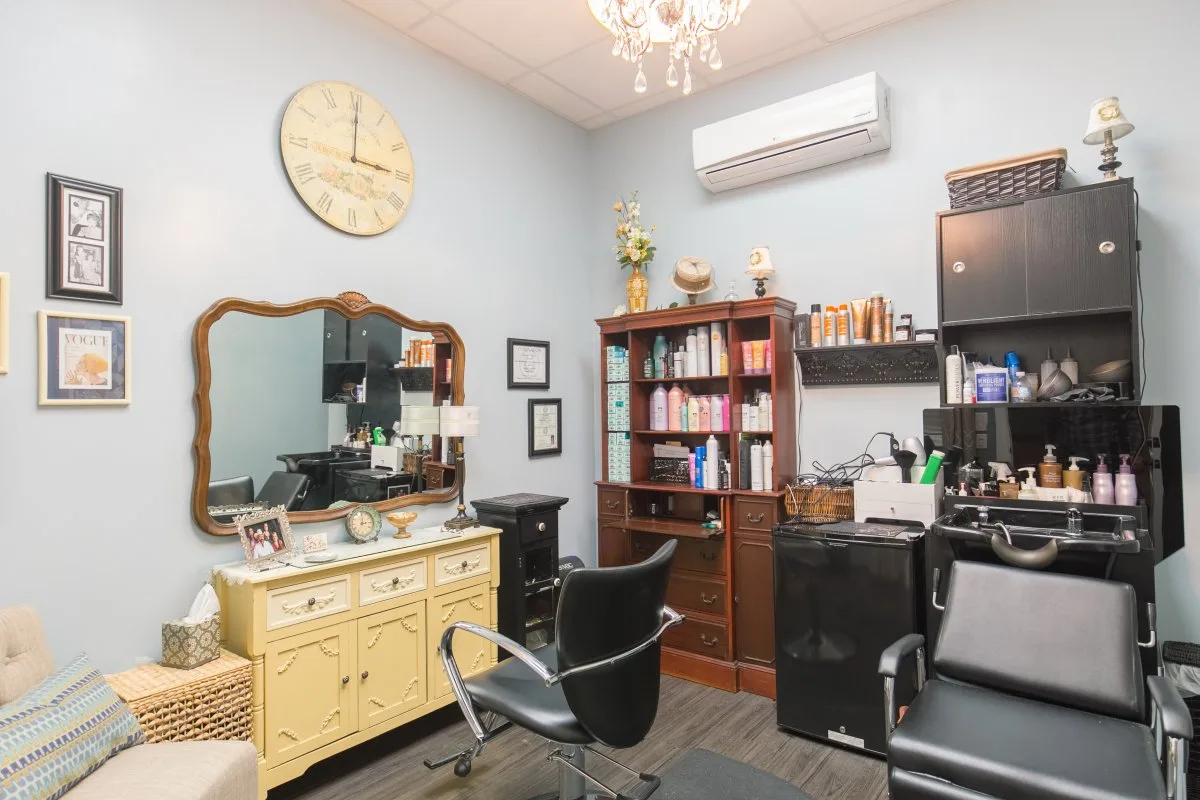
- Your own private suite. Your own lockable room, your own brand, hours and prices, and you keep what you earn after a flat monthly rent.
The right moment to move up depends on how full your book is. Our comparison of commission, booth rent and a salon suite walks through the trade-offs, and the commission vs. lease calculator shows what you would keep with your own numbers.
Building your first clientele
A license gets you in the door; clients keep you busy. Start building while you are still in school and keep going after you graduate:
- Book your friends, family and student-salon regulars as soon as you are licensed, and ask each happy client for a review.
- Post your work consistently, with your booking link in every profile.
- Rebook every client before they leave the chair.
- Pick a specialty you can be known for in your area.
We go deeper in how to attract clients as a new salon suite professional.
Opening your own suite
When you are ready to work for yourself, a private suite lets you run your own business without the cost of a full salon. In Texas, the suite itself needs its own TDLR license in addition to your Cosmetology Operator license; we explain how that works in Do you need a license to rent a salon suite in Texas?
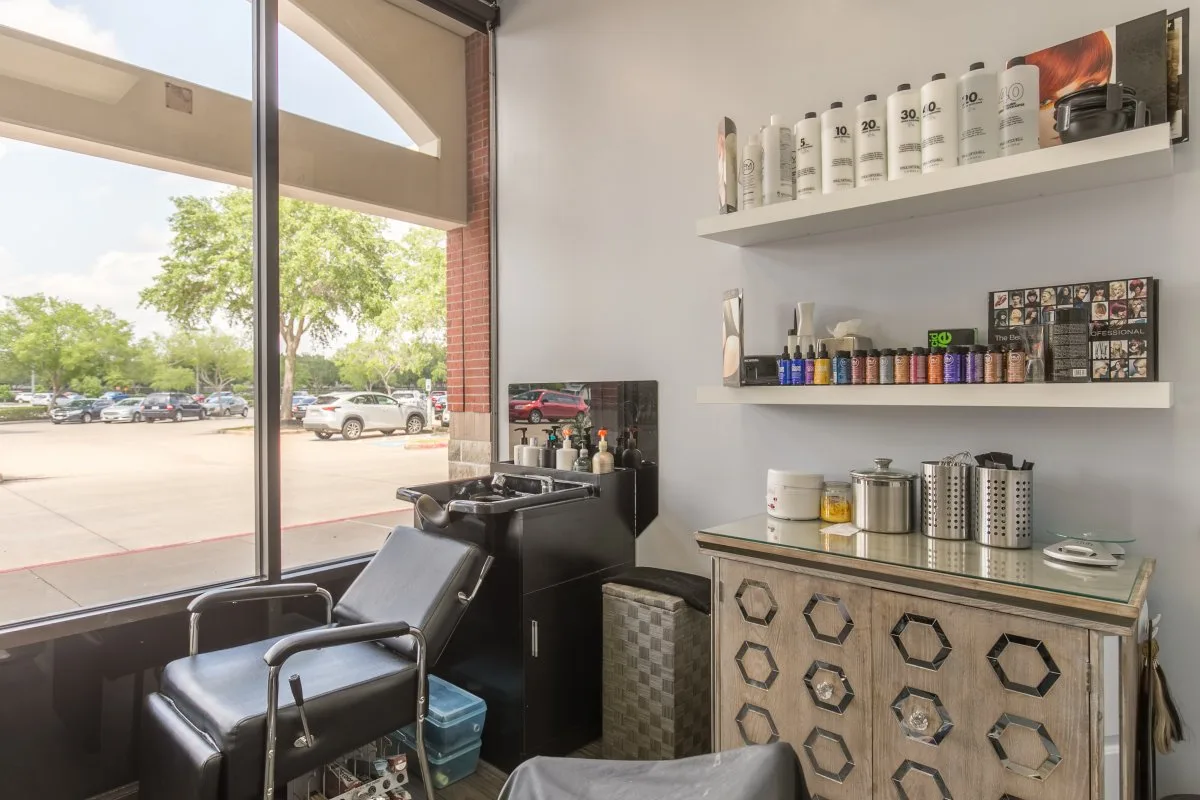
Image Salon Studios offers salon suites for hair stylists in Houston at Royal Oaks Village on Westheimer Rd and in Sugar Land at First Colony. Every suite is private and lockable, with utilities, Wi-Fi, 24/7 access and on-site management included. Schedule a tour when you’re ready to see one.
Frequently asked questions
How many hours do you need to become a hairstylist in Texas?
1,000 hours of instruction at a TDLR-licensed school for the Cosmetology Operator license. You can take the written exam after 900 hours.
How old do you have to be to get a cosmetology license in Texas?
At least 17 years old, according to TDLR.
Can a Texas cosmetologist do nails and eyelash extensions?
Yes. The Cosmetology Operator license covers nail services, facials, body hair removal and eyelash extensions in addition to hair. It does not cover shaving with a straight razor.
How long is a Texas cosmetology license valid?
Two years from the date of issue. You renew with TDLR-approved continuing education before it expires.
Related Articles
Related at Image Salon Studios Looking for space of your own? See our salon suites for hair stylists.

Ready to Feel the Vibe in Person?
Tour any of our three locations — no pressure, no commitment. Just come see what your future studio looks like.