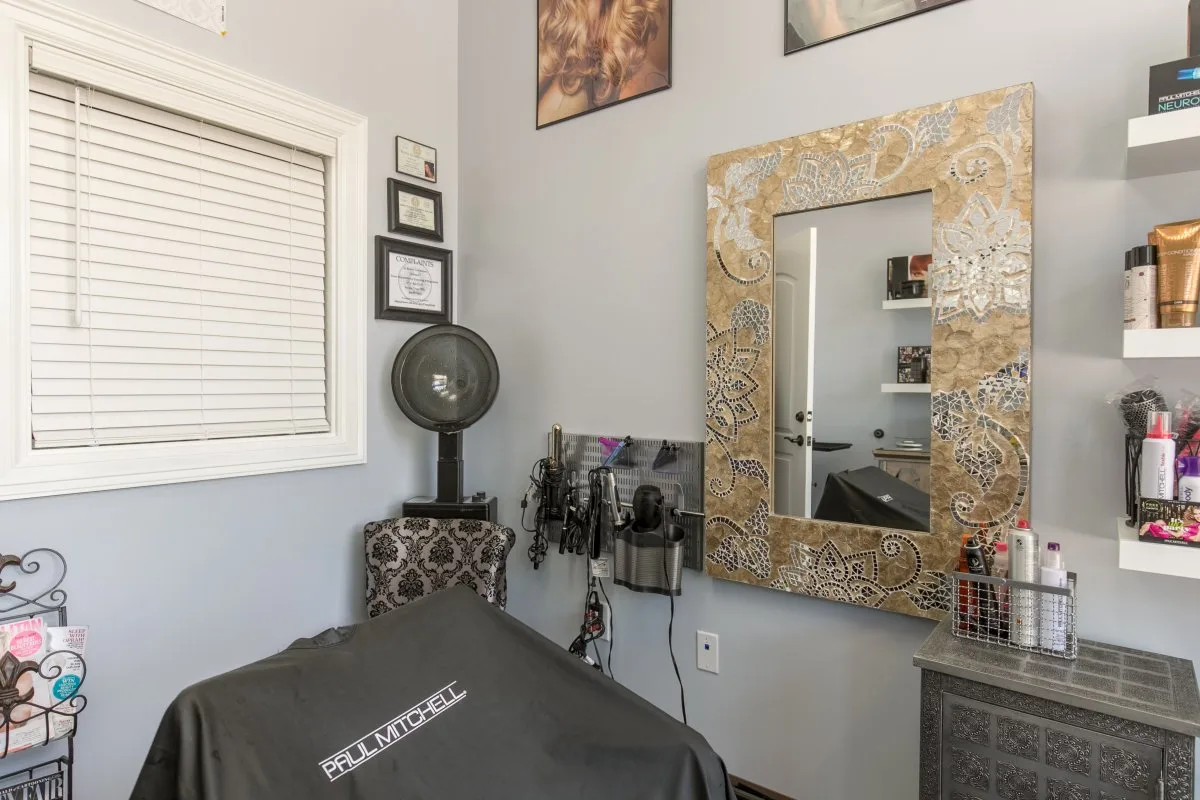
Yes — if you're renting a salon suite and operating as an independent beauty professional, you almost certainly need liability insurance. Most suite lease agreements require tenants to maintain coverage, and working without it leaves both you and your clients financially exposed if something goes wrong. This guide explains the two main types of coverage that matter for beauty professionals, what lease agreements typically require in general terms, and a practical checklist you can use when shopping for a policy. Nothing in this article constitutes legal or financial advice — confirm your specific coverage needs with a licensed insurance professional before making any purchasing decisions.
Why Insurance Matters More When You Go Independent
When you work as a commissioned employee inside a traditional salon, the salon's business insurance typically covers incidents that occur on the premises and arise from services performed under that roof. The moment you switch to suite rental and become an independent operator, that employer's umbrella disappears entirely. You are now the business owner — liability for what happens inside your suite falls on you.
This is one of the most significant financial realities of the independent model, and it's worth factoring into the full picture of what going solo costs. Our commission vs. lease comparison walks through the full financial picture, including the business expenses that don't appear in a commission paycheck. Insurance is one of those costs — but it's also one of the things that lets you operate with confidence rather than anxiety every time a client sits down in your chair.
Professional Liability vs. General Liability: The Key Difference
These two terms appear in almost every beauty-pro insurance conversation. They cover different risks, and understanding the distinction helps you buy the right policy — or the right combination of policies — rather than leaving gaps in your coverage.
Professional Liability Insurance
Also called errors and omissions (E&O) insurance or, in the beauty context, malpractice insurance, professional liability covers claims arising from the services you perform. Examples include a client who experiences an allergic reaction to a chemical treatment, a skin irritation from a waxing service, scalp or hair damage from a coloring application, or a nail service that leads to an infection. If a client alleges that a service you provided caused them harm, professional liability is the coverage designed to respond to that claim — paying for legal defense costs and any covered settlement up to your policy limits.
For independent beauty professionals operating inside Houston salon suites and Sugar Land studios, professional liability is generally considered essential. Without it, a single service-related dispute could expose your personal finances to legal costs that far outpace the cost of annual premiums.
General Liability Insurance
General liability (GL) covers third-party claims for bodily injury and property damage that aren't directly tied to the professional services you perform. The most common example: a client slips and falls in your suite. If they're injured in the physical space you control — your suite, your equipment, your environment — GL is the policy designed to respond to that claim. It also covers scenarios like accidentally damaging a client's personal property (a coat, a handbag, eyeglasses) during or after an appointment.
Many suite lease agreements require tenants to carry a minimum amount of general liability coverage, with the property management company or landlord listed as an additional insured. This arrangement is standard in commercial leasing because the suite tenant is in control of the individual space, and the property owner wants a coverage layer in place for incidents within those suites. Confirm the specific requirements in your lease before purchasing — different leases specify different limits.
What Suite Leases Typically Require
Specific insurance requirements vary from lease to lease, and the only authoritative source for what your lease requires is the written agreement itself. That said, there are patterns common enough across the salon suite industry that understanding them helps you know what questions to ask.
Many professional salon suite leases include a clause requiring the tenant to maintain general liability insurance at a minimum per-occurrence limit — common industry requirements run to $1 million per occurrence and $2 million aggregate, though your lease may differ. Many also require the property owner or management company to be named as an additional insured on the GL policy. Some leases additionally recommend or require professional liability coverage on top of general liability.
Before signing any lease, read the insurance section carefully. If the language is unclear, bring specific questions to your insurance agent. You can also review the common pre-leasing questions covered on our FAQ page, and speak with the leasing team directly about what documentation you'll need to provide at move-in. Do not assume that what you had in a previous arrangement is sufficient for your new lease — confirm it.
Coverage Checklist for Salon Suite Renters
Use the table below as a starting point when shopping for coverage or reviewing what you already have. This is a general reference guide — confirm every coverage type and limit with a licensed insurance agent who understands beauty industry needs.
| Coverage Type | What It Covers | Typical Need Level |
|---|---|---|
| Professional Liability (E&O / Malpractice) | Claims arising from services performed — reactions, injuries, or damage caused by a treatment | Strongly recommended; may be required by lease |
| General Liability | Slip-and-fall accidents, client property damage, third-party bodily injury in your suite | Commonly required in lease agreements |
| Products Liability | Claims related to products you sell or apply (often bundled with professional liability policies) | Recommended if you retail or apply products |
| Business Personal Property | Your equipment, tools, and supplies — styling chairs, hot tools, nail equipment, inventory | Recommended; your tools are your income source |
| Business Income / Loss of Income | Income replacement if a covered event forces you to stop working temporarily | Optional but valuable for sole operators with no backup income stream |
How Much Does Beauty Professional Insurance Cost?
Premiums vary based on your specialty, the range of services you offer, your claims history, coverage limits, and the carrier you choose. Because these variables differ widely, it's difficult to cite a representative figure that applies to every beauty professional — a massage therapist's risk profile differs from a chemical color specialist's, for example.
Industry associations such as the Professional Beauty Association (PBA) offer member insurance programs specifically designed for independent beauty professionals, often at group rates more competitive than individual policies purchased through a general commercial insurer. Working with a broker or agent who specializes in beauty-industry clients can save both time and money — they'll know which policy terms to look for and which exclusions are common in this space.
When comparing quotes, confirm that both professional liability and general liability are included (or request separate quotes for each), and ask explicitly whether the policy covers every service category you offer. Some policies exclude certain chemical applications, advanced esthetics procedures, or waxing services — exclusions that could leave a significant gap in your coverage.
Getting Coverage Before Move-In Day
Don't wait until your lease start date to sort out insurance. Obtaining a certificate of insurance (COI) — the document your landlord will typically require as proof of coverage — takes time once you've selected a policy and completed underwriting. Start conversations with insurance providers several weeks before your planned move-in date so the paperwork is in place when you need it.
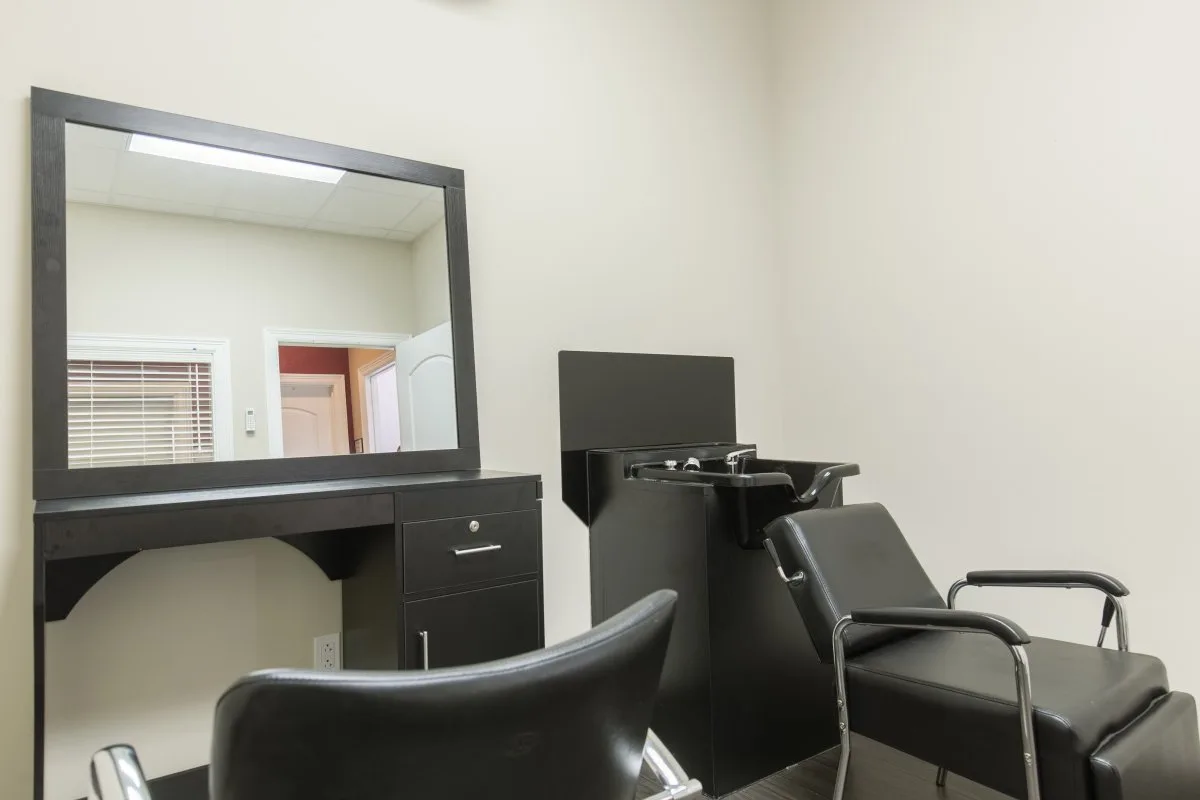
Once your coverage is active and documented, the suite benefits you'll enjoy at Image Salon Studios — a private lockable studio, included utilities, high-speed Wi-Fi, 24/7 building access, and on-site management support — represent the professional environment where that coverage is in force every single day you serve clients. The insurance is the foundation; the suite is where you build on top of it.
Take the Next Step Toward Your Independent Practice
Having the right insurance in place is one piece of building a sustainable, professional beauty business. It's not the exciting part — but it's the part that lets you focus on your craft without the background worry of financial exposure. Get the coverage sorted early, confirm it meets your lease requirements, and then put your energy into everything that makes your client experience exceptional.
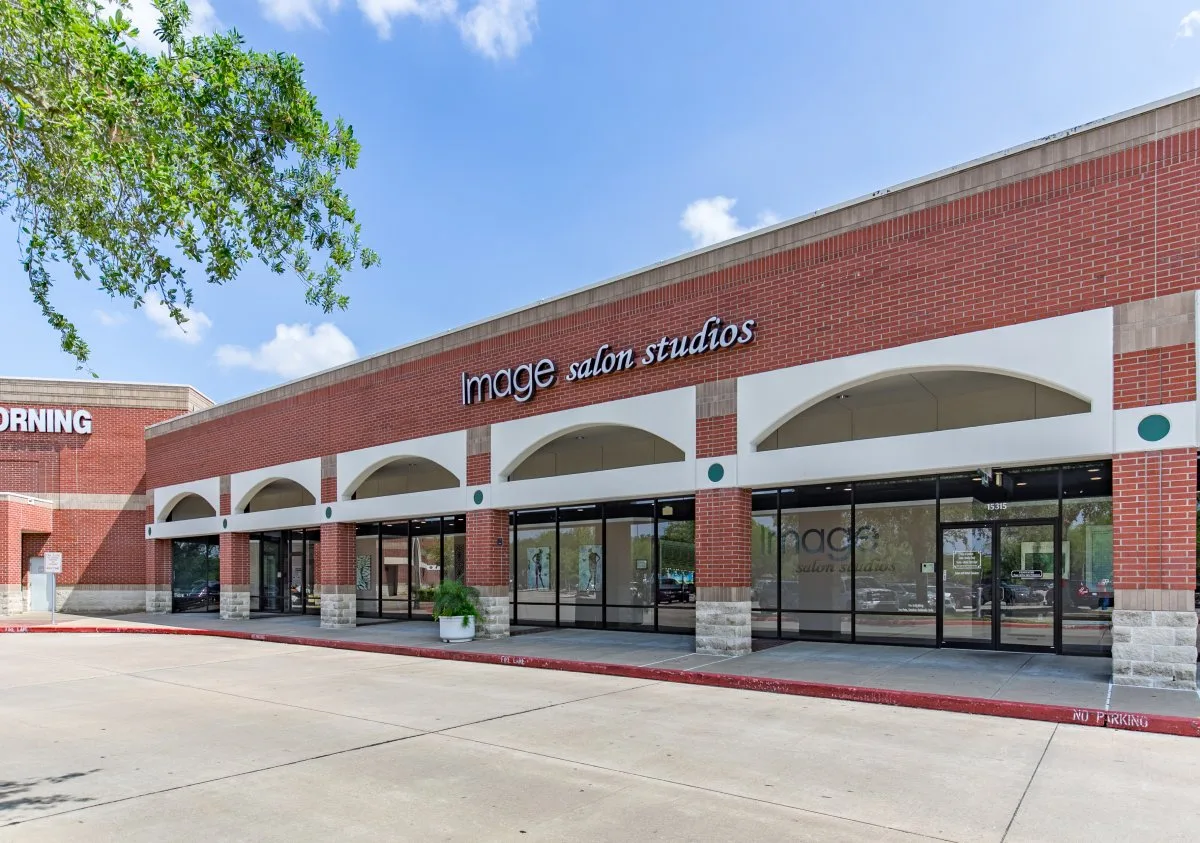
If you're ready to see what the independent salon suite life actually looks like day to day, schedule a free tour at Image Salon Studios in Houston or Sugar Land. Come with your list of questions — about the lease, the space, the community, and what the move from commission to independent ownership really involves. The leasing team is there to give you straight answers, not a sales pitch.
Related Articles
Related at Image Salon Studios Looking for space of your own? See our salon suites at First Colony in Sugar Land.
Ready to Feel the Vibe in Person?
Tour any of our three locations — no pressure, no commitment. Just come see what your future studio looks like.