Getting licensed as an esthetician in Texas is simpler than most people expect, but the order of the steps matters. The Texas Department of Licensing and Regulation (TDLR) sets the rules, a TDLR-licensed school delivers the training, and a testing company called PSI runs the exams. This guide walks through each step, explains exactly what the license lets you do, and covers the part most guides skip: where to work once you have it.
Everything below comes from TDLR’s own pages. Fees and forms change, so always confirm the current details on TDLR’s esthetician license page before you apply.
Texas esthetician license requirements at a glance
- Age: at least 17 years old.
- Training: a 750-hour esthetician course at a barbering or cosmetology school licensed in Texas.
- Exams: a written exam and a practical exam, both administered by PSI.
- Application: submitted to TDLR online, with a non-refundable application fee (check TDLR for the current amount).
- License term: two years from the date it is issued, then renewal with continuing education.
Step 1: Complete 750 hours at a TDLR-licensed school
Your hours must come from a school that holds a Texas barbering or cosmetology school license, so check a school’s TDLR license before you enroll. The 750-hour course covers skin science, facials, hair removal, sanitation and Texas laws and rules. Full-time students usually finish in a matter of months; part-time and evening programs take longer, so ask each school for its real schedule and its exam pass rates.
While you train, start thinking like a business owner. The clients you practice on, the services you enjoy most and the niche you build now become your first book of business later. Our post on finding your niche as a beauty professional is a good place to start.
Step 2: Pass the written and practical exams
Once your school reports your hours, you become eligible for the exams. Both are run by PSI on TDLR’s behalf:
- Written exam: theory, safety and sanitation, and Texas laws and rules.
- Practical exam: you perform procedures in front of an examiner, so practice your setup, sanitation steps and timing until they are automatic.
Most people who fail a practical exam fail on sanitation and procedure order, not on technique. Rehearse the full sequence, start to finish, as many times as you can.
Step 3: Apply to TDLR
You can apply online after TDLR notifies you that you are eligible for the written exam, even before you take it. TDLR can issue a temporary license after you pass the practical exam, valid for 60 days while your permanent license is processed. Keep copies of your school records and exam results until your license shows up on TDLR’s license search.
Trained outside Texas? TDLR handles that through its license-by-equivalence process rather than the standard application, so start on its Apply for a Cosmetology or Barbering License by Equivalence page.
What a Texas esthetician license lets you do
According to TDLR’s scope-of-practice guide, a licensed esthetician may perform:
- Facial treatments, plus cleansing and beautifying treatments of the face, neck, shoulders and arms
- Body hair removal with depilatories, tweezers or other devices (waxing and similar services)
- Eyelash extensions using semi-permanent, single-fiber extensions
- Massage of the scalp, neck, shoulders, arms or face
An esthetician license does not cover hair cutting, coloring or styling, shaving, nail services, or hand and foot treatments. If you want to add nails, TDLR offers a combined Manicurist/Esthetician license (an 800-hour combined course, or the 750-hour esthetician course plus a 600-hour manicurist course). There is a similar Hair Weaving Specialist/Esthetician combination.
Keeping your license: renewal and continuing education
Your license is valid for two years. To renew, you complete TDLR-approved continuing education. Under the current rules that is four hours per renewal cycle, including one hour of sanitation and one hour of human-trafficking awareness. Licensees with 15 or more years of experience have a reduced requirement. If you hold more than one TDLR cosmetology license, one set of continuing-education hours covers them all. Check TDLR’s renewal page before each cycle, because the topics have changed in recent years.
Where to work after you’re licensed
New estheticians in Houston usually choose between three paths:
- A spa, medspa or salon on commission or hourly pay. The fastest way to get experience and a steady schedule, but the business sets your services, your prices and your share of each service.
- Renting a room or booth inside someone else’s business. More control, but often shared space and the host’s rules.
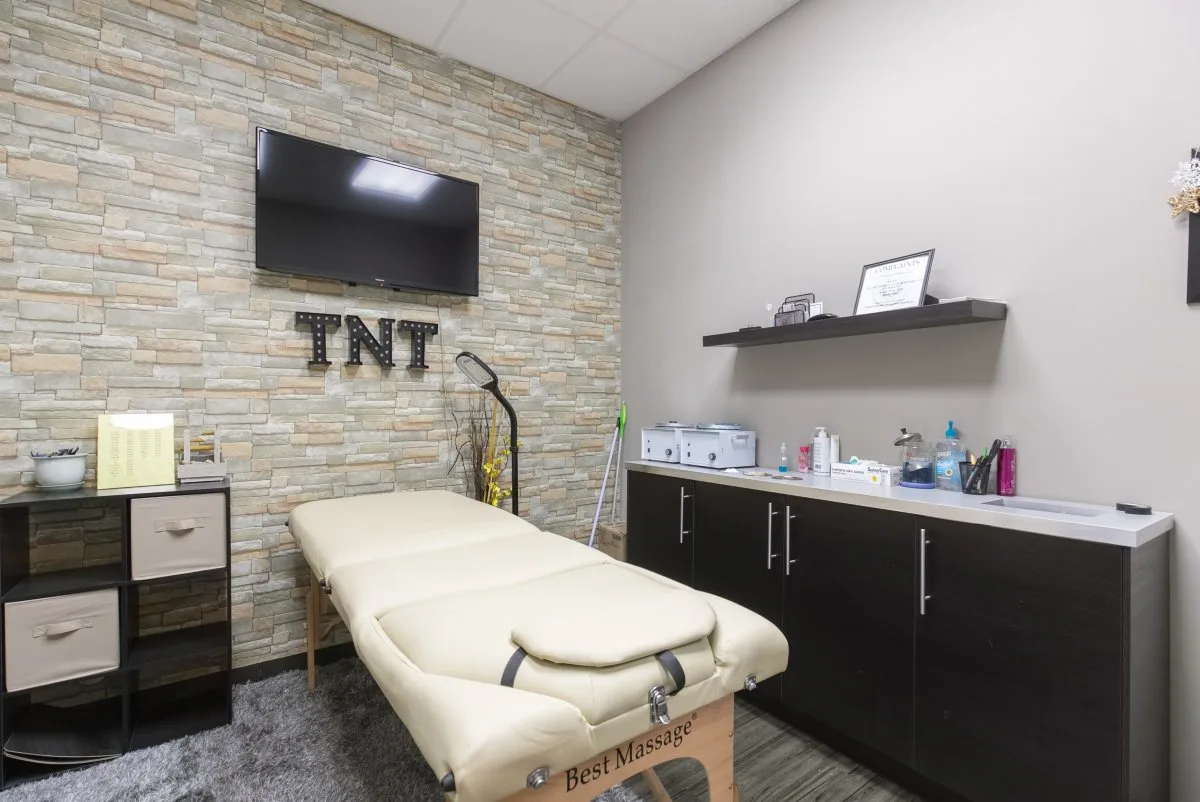
- Your own private suite. Your own lockable treatment room, your own brand, your own hours, and you keep what you earn after a flat monthly rent.
Many estheticians start on commission to build skills and clients, then move into their own room once their book is steady. If you are weighing that move, run your numbers through our commission vs. lease comparison to see what you would actually keep.
Skin care is a quiet, client-focused service, which is why estheticians and massage therapists often prefer a fully private room over an open floor. We cover that in why estheticians choose quiet rooms, and the treatments clients ask for most in medispa treatments to offer from your suite.
Licensing your own suite
When you work from your own enclosed suite, the room itself needs its own TDLR license as well as your personal esthetician license. We explain how that works, and what to have ready before you sign a lease, in Do you need a license to rent a salon suite in Texas?
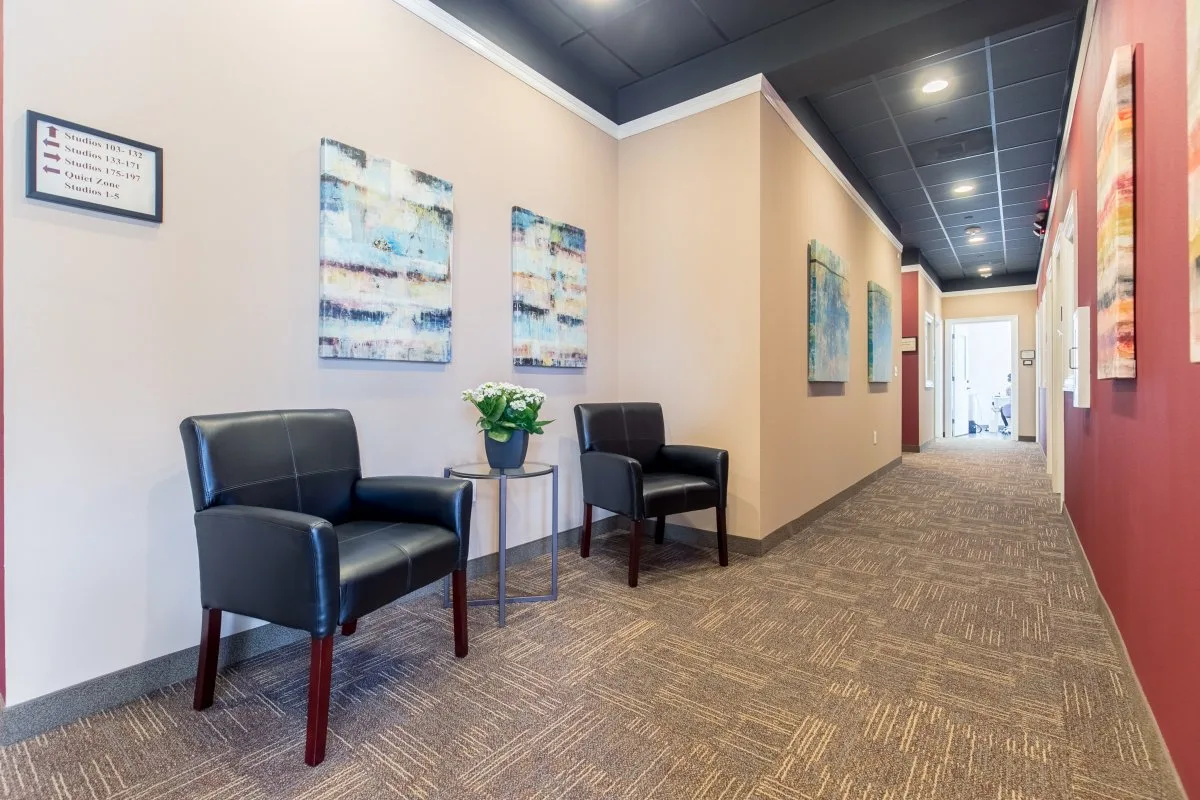
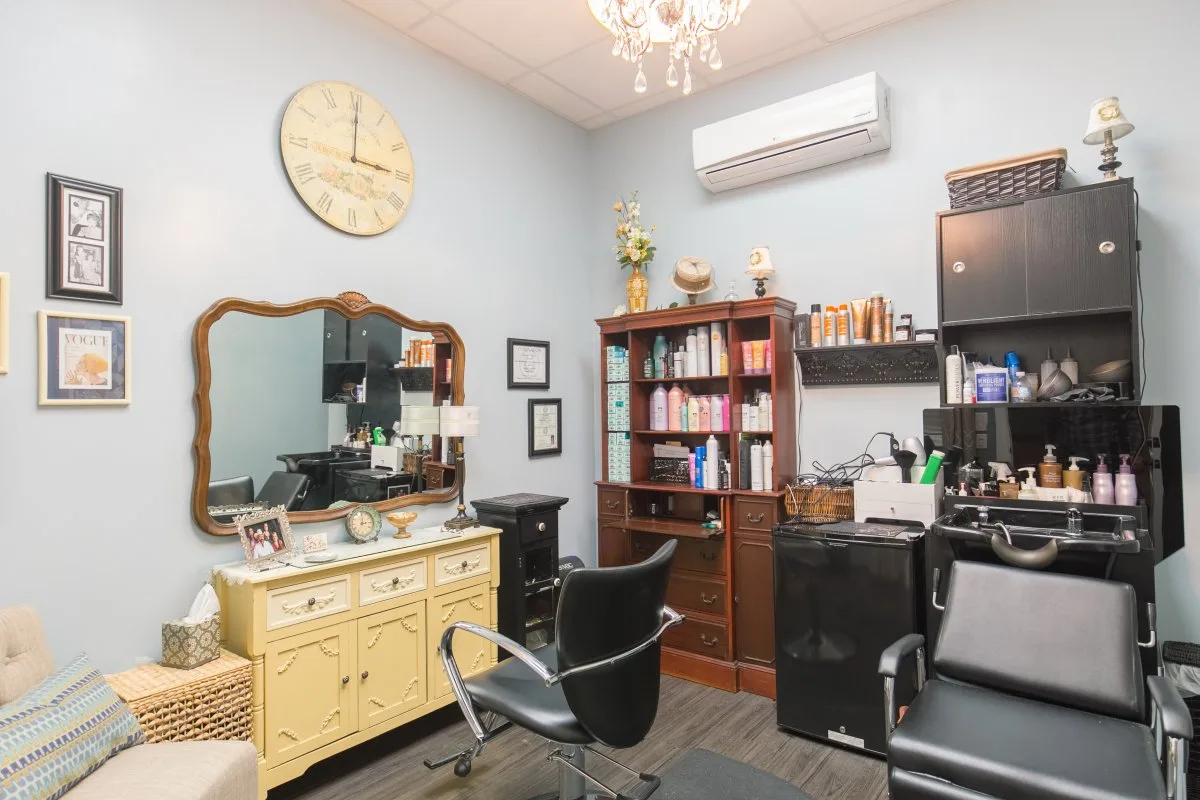
If you are ready to see a treatment room in person, Image Salon Studios offers esthetician room rental in Houston at Royal Oaks on Westheimer, plus suites at our Sugar Land locations. Every suite is private and lockable, with utilities, Wi-Fi and 24/7 access included. Schedule a tour and bring your questions about setting up your first room.
Frequently asked questions
How many hours do you need for an esthetician license in Texas?
750 hours of instruction at a Texas-licensed barbering or cosmetology school.
Can a Texas esthetician do eyelash extensions?
Yes. Applying semi-permanent, single-fiber eyelash extensions is within a licensed esthetician’s scope of practice in Texas.
How long is a Texas esthetician license valid?
Two years from the date of issue. You renew with TDLR-approved continuing education.
Can an esthetician rent their own salon suite in Texas?
Yes. Many estheticians run their business from a private suite. The suite needs its own TDLR license in addition to your esthetician license; see our suite licensing guide for the details.
Related at Image Salon Studios Looking for space of your own? See our esthetician room rental in Houston.
Ready to Feel the Vibe in Person?
Tour any of our three locations — no pressure, no commitment. Just come see what your future studio looks like.