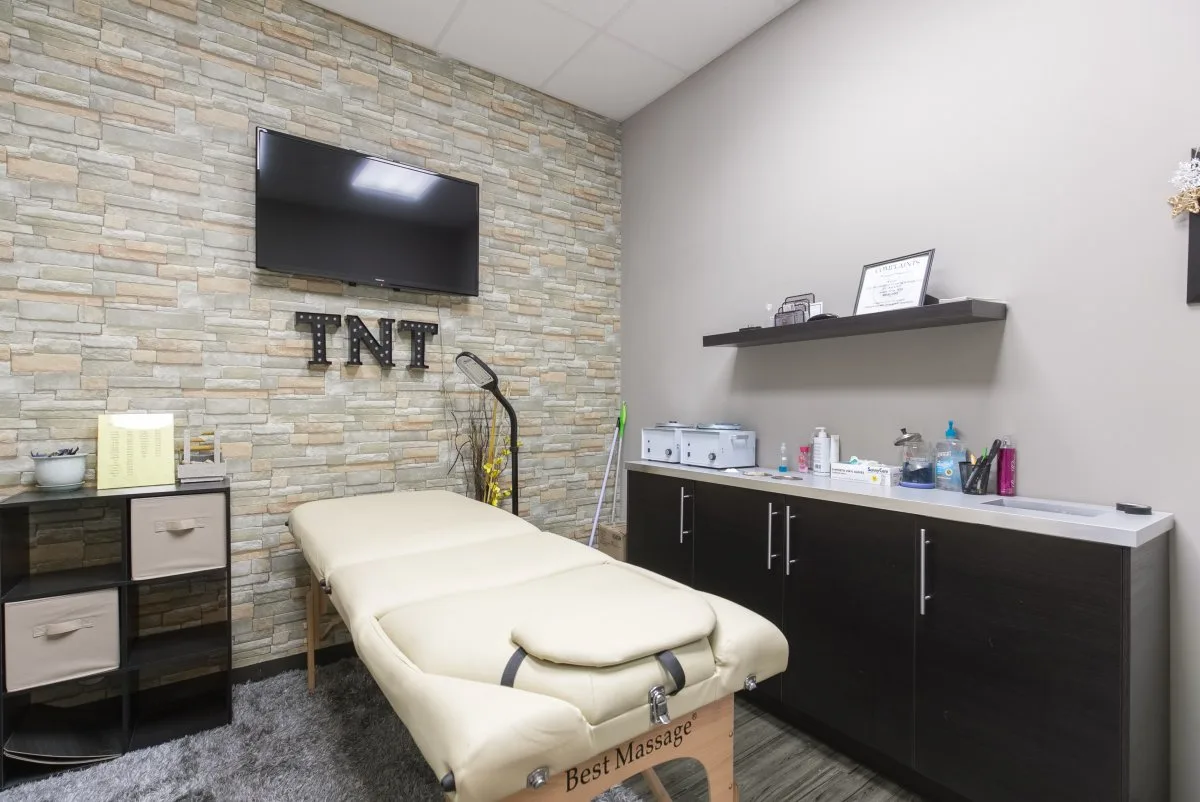
Lash extensions are one of the best businesses in beauty to own. Clients don’t come once. They come back every two to three weeks for fills, which gives you a steady, predictable book once you have built it. Lash work is also quiet, detailed and personal, so it suits a small, private space with only you and your client in it.
This guide covers how to start a lash business in Texas, in the order things actually need to happen. It runs from the license you need before your first paid set to the systems that keep clients rebooking. We have watched a lot of lash artists open their own studios at Image Salon Studios, and the ones who grow fastest get the boring setup right first.
Step 1: Get the right Texas license
You cannot legally apply lash extensions for pay in Texas without a license from the Texas Department of Licensing and Regulation (TDLR). There are three routes:
- Eyelash Extension Specialist license: a 320-hour course and the fastest path if lashes are all you want to do.
- Esthetician license: 750 hours. It covers lash extensions plus facials, waxing and other skin services.
- Cosmetology operator license: 1,000 hours. It covers lashes along with hair and nail services.
Think about your menu before you choose a route. The specialist license covers eyelash extensions only. If you want to offer lash lifts, tints or brow services, those generally need an esthetician or cosmetology license. Many lash artists start with the specialist license and add an esthetician license later to widen their menu. We break down hours, exams and renewal for each path in our Texas lash extension license guide.
Step 2: Decide where you will work
Where you work changes almost every decision after this, from licensing and insurance to how you price and how fast you grow. New lash artists usually weigh four options:
- Working for a lash studio or salon. A good way to build speed and confidence, but the business sets your schedule and takes a share of every set.
- A home studio. It looks cheap on paper. In Texas, though, a place where you perform services for the public has to meet TDLR’s facility rules, and a spare bedroom often doesn’t. Check TDLR’s requirements and your HOA or lease before you buy a lash bed.
- Renting a chair or booth. You get more independence, but usually an open floor with dryers running and conversations going, which isn’t ideal for a client trying to relax through a two-hour full set.
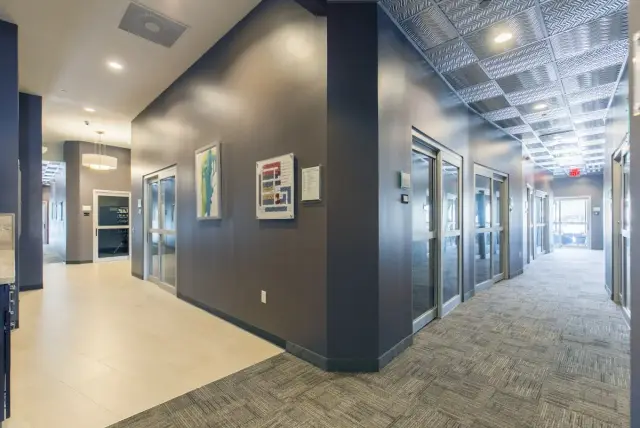
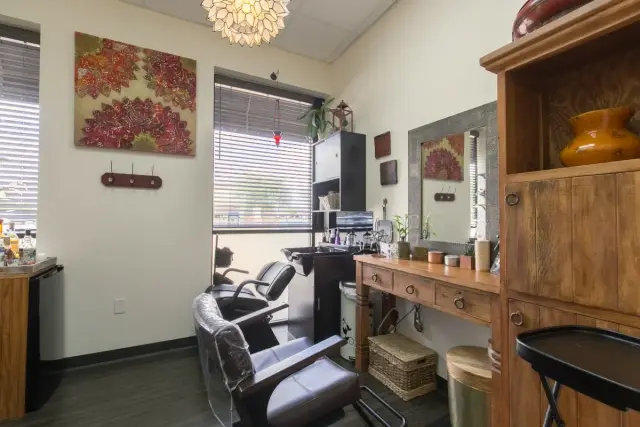
- Your own private suite. A lockable room with your own door, your own brand and your own hours. You pay a flat monthly rent and keep what you earn.
If you are leaving a commission job, run your numbers through our commission vs. lease comparison before you decide.
Step 3: Make sure your space is licensed
This is the step new owners miss most often. In Texas, the room where you work needs its own TDLR license as well as your personal license. That applies to a private suite as well as a storefront. Our post Do you need a license to rent a salon suite in Texas? covers how it works and what to have ready before you sign a lease.
Step 4: Set up the business itself
A few pieces of paperwork turn “I do lashes” into a real business:
- Pick a structure. Many lash artists start as sole proprietors, and some form an LLC through the Texas Secretary of State for added separation between business and personal assets. A short conversation with a tax professional is worth it here.
- Register your business name. If you trade under a name other than your own, such as “Lashed by Maria,” Texas requires an assumed name certificate. Sole proprietors file it with the county clerk; LLCs file it with the Secretary of State.
- Get an EIN from the IRS. It is quick to apply for online and keeps your Social Security number off client-facing paperwork.
- Get a sales tax permit if you sell retail. If you sell aftercare kits, lash cleansers or wands, you will likely need a Texas sales and use tax permit from the Comptroller. Confirm the rules for your setup with the Comptroller’s office or your tax professional.
- Open a separate business bank account from day one. Tax season will thank you.
Want to map all of this out on paper first? Our salon suite business plan guide walks you through a simple one-page plan.
Step 5: Protect yourself with insurance
Lash work happens millimeters from a client’s eyes, and adhesive reactions happen even to careful artists. Professional liability insurance, which covers claims from the services you perform, isn’t optional in practice, and many leases require general liability coverage too. Make sure your policy names eyelash extensions specifically. We cover what to look for in Do you need insurance for a salon suite rental?
Step 6: Build a studio clients don’t want to leave
Lash clients lie still with their eyes closed for an hour or more. A big part of the experience you sell is how that time feels. Prioritize:
- A quality lash bed with real cushioning, a pillow that supports the neck, and a cozy blanket. Many of your clients will fall asleep, and that is a compliment.
- Lighting for you, comfort for them. Bright, shadow-free task lighting on the lash line and soft ambient light everywhere else.
- An ergonomic stool and good posture habits. Back and neck strain end more lash careers than lack of clients does.
- Climate control. This is the Houston secret. Lash adhesive cures based on temperature and humidity, and Gulf Coast humidity swings all year. Keep a hygrometer in your room and adjust your adhesive or your environment. That is much easier in a space where you control the thermostat.
- Sanitation you can show off. Clean tweezers, labeled supplies, disposable items on display. Clients notice, and TDLR inspectors do too.
Step 7: Design a menu built on rebooking
The real money in lashes comes from fills, not full sets. Build your menu so every new client has an obvious next appointment:
- Core sets: classic, hybrid and volume, with clear descriptions of the look each one creates.
- Fills at set intervals, usually two and three weeks, with a clear policy for when a fill becomes a full set.
- Add-ons that fit your license, such as colored lashes, bottom lashes or lash baths.
- Retail aftercare such as cleansers and brushes. It protects your work, improves retention and adds a little to every ticket.
Price on your skill, your time and your market, not on the cheapest listing in town. Our post on upselling and cross-selling in a salon suite has ideas for raising your average ticket without feeling pushy.
Step 8: Protect your time with booking policies
A no-show on a two-hour full set costs you a whole morning. Before you open, set up:
- Online booking with automatic confirmations and reminders.
- Deposits for new clients and full sets.
- A written cancellation and late policy that clients agree to when they book.
- A patch test policy for new clients or anyone with sensitivities.
Not sure how to word your policy? Use our salon cancellation policy guide as a template.
Step 9: Market where lash clients actually look
Lashes are a visual service, and clients choose an artist by their work. Focus your energy on:
- Instagram and TikTok: close-up before-and-afters in consistent, natural light. Post your best work, not all of it. Our Instagram guide for salon suite owners covers the basics.
- A Google Business Profile with real photos and a steady flow of reviews, so you show up for “lash extensions near me.”
- Referral rewards. A happy lash client is your best salesperson because their friends see the results up close every day.
- A niche. Natural classics for professionals, dramatic volume, bridal lashes, sensitive-eye clients. Owning a lane makes marketing easier. See how to find your niche as a beauty professional.
Step 10: Keep the clients you win
Retention is everything in a fill-based business. Pre-book the next fill before the client leaves your chair, send aftercare instructions by text the same day, and keep notes on every client’s curl, length and mapping so each set is as good as the last. More ideas are in our tips for maintaining clientele in a salon suite.
Why lash artists choose Image Salon Studios
We may be biased, but a private suite is the natural home for a lash business. Here is why lash artists across Houston and Sugar Land set up shop with us:
- A door that closes. Every suite is private and lockable. No dryers, no chatter, no foot traffic, just your client drifting off while you work. That calm is part of what you are selling.
- You control the room. Set the lighting, the music, the scent and the thermostat. Remember the humidity tip? This is where it pays off.
- 24/7 access. Lash clients often want early-morning sets before work or evening fills after it. Book the hours your clients actually want.
- Keep what you earn. You pay one flat monthly rent with no commission splits and no percentage of your services or retail. Utilities and high-speed Wi-Fi are included.
- Your brand, not ours. Decorate your suite as your studio, set your own prices and sell your own aftercare line.
- Room to grow. As your book fills up, you can add services, take on a second license or move into a larger suite without starting over.
- Built-in exposure. Every tenant gets a free listing in our professional directory, and you are surrounded by stylists, estheticians and other beauty pros who make great referral partners.
- On-site management keeps the building clean, secure and running, so your energy goes into your clients.
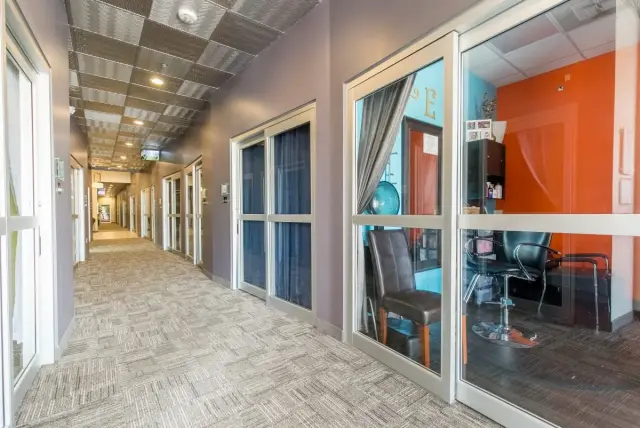
Our Houston location is at Royal Oaks Village on Westheimer, and we have two locations in Sugar Land’s First Colony area. Right now new tenants get 4 weeks FREE with an annual (12-month) lease.
See what a lash suite at Image Salon Studios looks like, explore our Houston salon suites and Sugar Land salon suites, or schedule a tour and picture your lash bed in the room.
Frequently asked questions
Do you need a license to start a lash business in Texas?
Yes. You need a TDLR license that covers eyelash extensions: the Eyelash Extension Specialist, esthetician or cosmetology operator license. The space you work in also needs its own TDLR license.
Can I do lashes from home in Texas?
Only if the space meets TDLR’s facility licensing requirements, which many homes don’t. Check TDLR’s rules and your HOA or lease before investing in a home studio. Many lash artists choose a private suite instead.
How long does it take to start a lash business in Texas?
The 320-hour Eyelash Extension Specialist course is the longest step. Many students finish it in a few months, and part-time schedules take longer. The business setup can usually happen while you are still in school.
Is a lash business profitable?
It can be very profitable because of recurring fill appointments. The biggest factors are retention, pricing and keeping your fixed costs predictable, which is why many lash artists prefer a flat monthly rent to a commission split.
Related Articles
Related at Image Salon Studios Looking for space of your own? See our lash suites for rent.
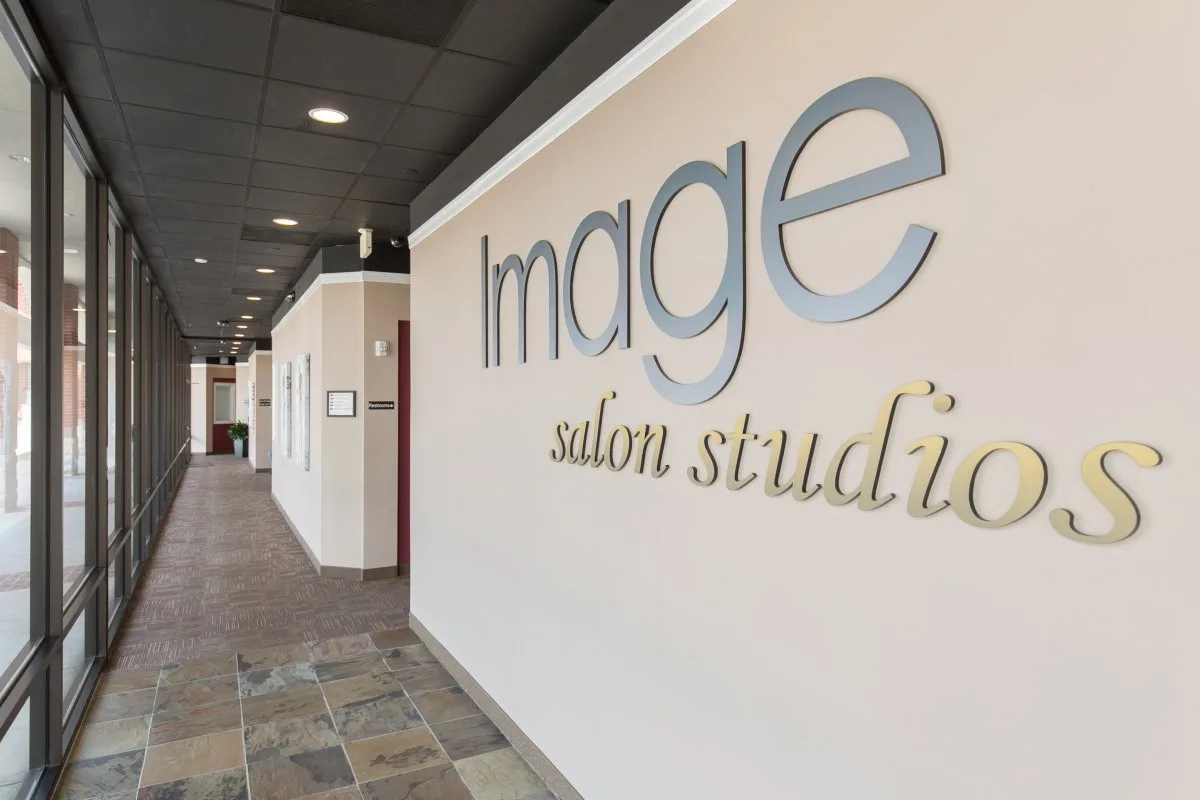
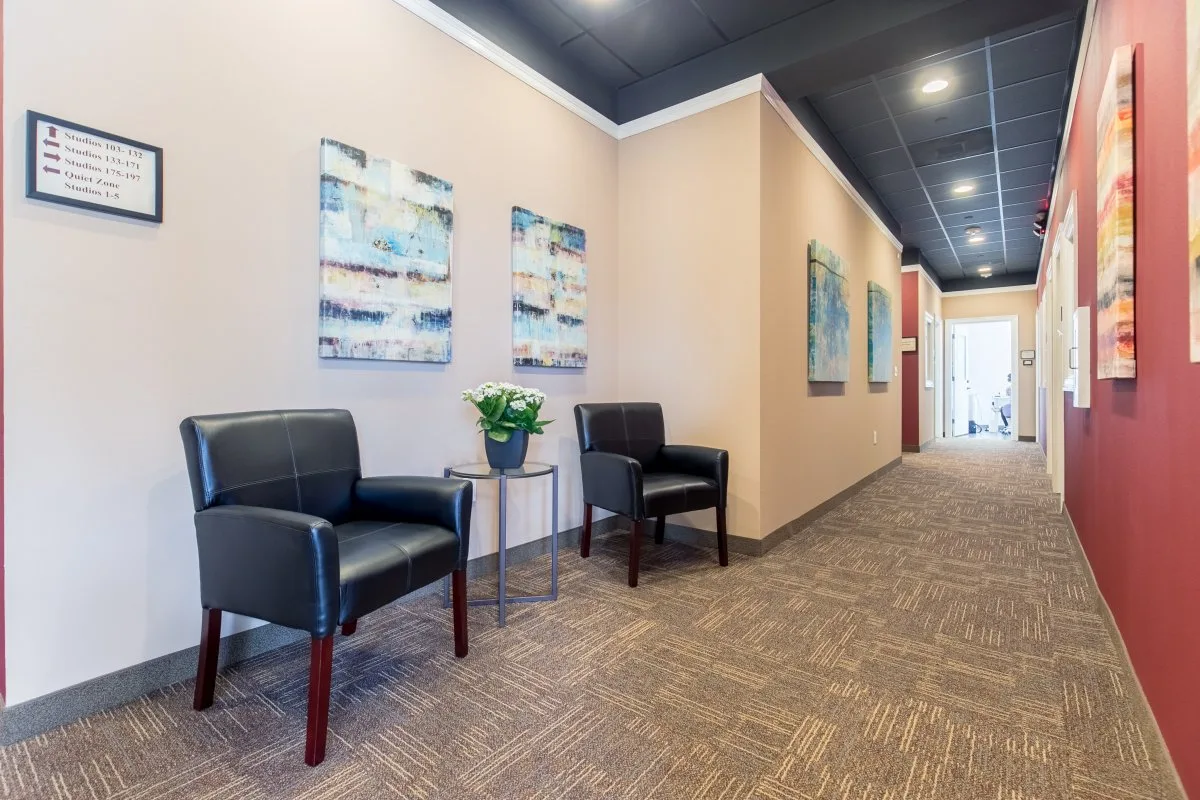
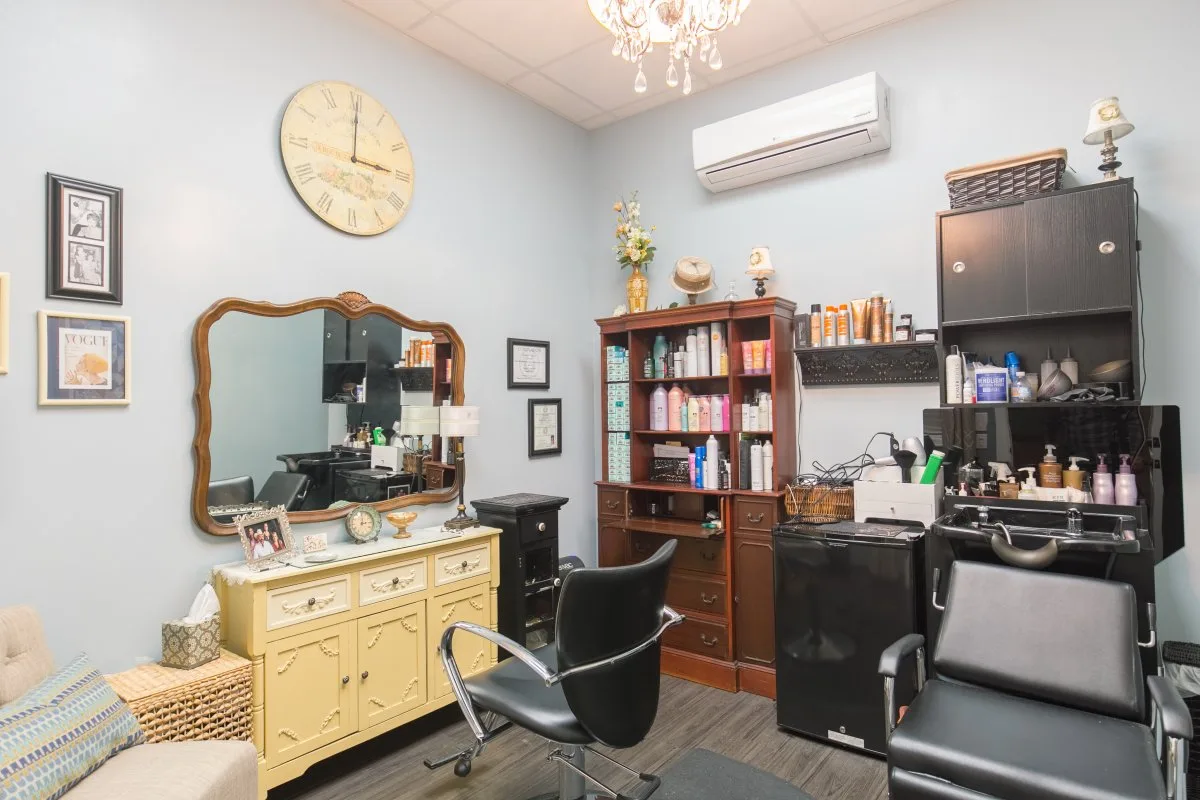
Ready to Feel the Vibe in Person?
Tour any of our three locations — no pressure, no commitment. Just come see what your future studio looks like.