A salon suite business plan doesn’t need to be a 40-page document for a bank. If you are a licensed stylist, barber, esthetician or other beauty pro moving into your own suite, what you need is a short, honest plan that answers three questions: who you will serve, how they will find and book you, and whether the monthly numbers work. This template walks you through each section. Copy it into a notes app or a doc, fill in the blanks, and revisit it every few months.
Copy this template
Here is the full outline. Each section is explained below.
- Business summary: your name, brand, specialty and one-sentence promise
- Services and menu: what you offer, how long each service takes
- Target clients and niche: who you serve best
- Client plan: how you will bring clients with you and find new ones
- Booking and policies: booking tool, deposits, cancellation and no-show rules
- Startup checklist: licenses, insurance, software, products, décor
- Monthly numbers worksheet: revenue, expenses, take-home
- 90-day launch timeline: what happens before and after move-in
- Review and adjust: when you will check the plan against reality
1. Business summary
Write three or four sentences you could say out loud to a new client. Include your business name, your license type, your specialty, where you work and what makes you different. For example: “I’m a licensed colorist specializing in lived-in blondes and gray blending. I work by appointment from a private suite in West Houston, so every client gets one-on-one time in a quiet space.”
This summary becomes your Instagram bio, your Google profile description and the first line of your booking page, so it is worth getting right.
2. Services and menu
List every service you plan to offer, how long each one takes (including setup and cleanup), and which ones are your core services versus add-ons. Going independent is a good moment to trim your menu. Fewer, better services are easier to book, easier to stock for and easier to market.
Pricing is its own decision. Base it on your time, your skill level, your local market and the cost of the products each service uses. Our guide to pricing strategies for salon suites walks through the main approaches.
3. Target clients and niche
Describe your ideal client in a few lines: what they come in for, how often, where they live or work, and what they value most (speed, privacy, a specific technique, a calm atmosphere). The more specific you are, the easier the next section becomes. A niche such as curly cuts, men’s grooming, bridal makeup or acne-focused facials makes you easier to recommend and easier to find in search.
4. Client plan: bringing clients over and finding new ones
Most stylists moving into a suite rely on existing clients for the first months, so plan that transition carefully and professionally. Check any agreement you signed with your current salon first.
- Current clients: how many book with you regularly, and how you will let them know where you are going.
- Referrals: a simple referral thank-you for clients who send a friend.
- Online: a Google Business Profile, an up-to-date booking link, and consistent social posts showing your work in your new space.
- Local: partnerships with nearby businesses, such as gyms, boutiques and wedding vendors.
Write down a realistic number of clients per week for month one, month three and month six. That number feeds your worksheet in section 7. For more ideas, see our post on how to attract clients as a new salon suite professional.
5. Booking and policies
In your own suite there is no front desk, so your booking system is your receptionist. Decide on:
- Booking tool: online booking with automatic reminders by text and email.
- Deposits: whether new clients or long services require one.
- Cancellation policy: how much notice you need and what happens with late cancellations.
- No-show policy: what a no-show costs the client, and how many before they need to prepay.
- Hours: the days and times you will actually work, including any early or late appointments.
Write these policies once, post them on your booking page and send them with every confirmation. Clear policies protect your time, which is your inventory.
6. Startup checklist
Use this as a tick list before move-in. Get quotes for anything that costs money and add them to your worksheet.
- Personal Texas license (cosmetology, esthetics, barbering, manicuring or massage) current and in good standing
- TDLR license for the suite itself; see do you need a license to rent a salon suite in Texas?
- Professional liability insurance; see do you need insurance for a salon suite rental?
- Business name, separate bank account and a simple bookkeeping method
- Booking software and payment processing
- Back-bar and retail products for your first month
- Tools and any equipment the suite doesn’t already include
- Décor, signage and a photo-ready corner for client pictures
- Sanitation supplies and a cleaning routine you can follow every day
7. Monthly numbers worksheet
This is the heart of the plan. You don’t need a spreadsheet. Just fill in the blanks with your own numbers.
Monthly revenue = clients per week ____ × average ticket ____ × 4.3 weeks
Plus retail = average retail sold per week ____ × 4.3
Minus monthly expenses:
- Suite rent (monthly) ____
- Products and supplies ____
- Insurance (monthly share) ____
- Booking software and payment fees ____
- Marketing ____
- Licenses and continuing education (monthly share) ____
- Money set aside for taxes ____
Take-home = revenue + retail − expenses
Fill it in three times: a cautious month, an expected month and a busy month. If the cautious version still covers your personal bills, you are in a strong position. If it doesn’t, the plan tells you exactly what to change: more clients per week, a higher average ticket or a later move-in date.
To compare this with what you keep today, run your current income through our commission vs. lease calculator.
8. 90-day launch timeline
- Days 1–30 (before move-in): tour suites, confirm licensing and insurance, set up booking, order products, tell your clients your move date.
- Days 31–60 (first month in): book your existing clients, photograph your work in the new space, ask happy clients for reviews.
- Days 61–90: compare real numbers with your worksheet, fill quiet time slots with targeted offers, adjust your menu and hours.
For a broader checklist, see our 10 steps to starting a salon suite business in Houston.
9. Review and adjust
Put a date in your calendar every three months to reread this plan. Compare clients per week, average ticket and expenses against your worksheet, and update the plan to match what is actually happening. A business plan is only useful if it changes as your business does.
Ready to put a location on your plan?
When your plan says you are ready, the next step is choosing your space. Image Salon Studios offers private, lockable salon suites in Houston and Sugar Land with utilities, Wi-Fi and 24/7 access included in one flat monthly rent. Schedule a tour and bring your plan. We’re happy to walk through it with you.
Frequently asked questions
Do I need a formal business plan to rent a salon suite?
Not usually. Most suite leases don’t require one. But a short plan helps you choose the right suite, set prices and know when the numbers will work before you sign.
What should a salon suite business plan include?
A business summary, your services, your target clients, how you will get clients, your booking and cancellation policies, a startup checklist, a monthly numbers worksheet and a launch timeline.
How do I know if I can afford a salon suite?
Fill in the monthly numbers worksheet above using a cautious estimate of clients per week. If that cautious month covers your suite rent, other business expenses, taxes and your personal bills, you are ready to tour.
Related at Image Salon Studios Looking for space of your own? See our commission vs. lease comparison.

Ready to Feel the Vibe in Person?
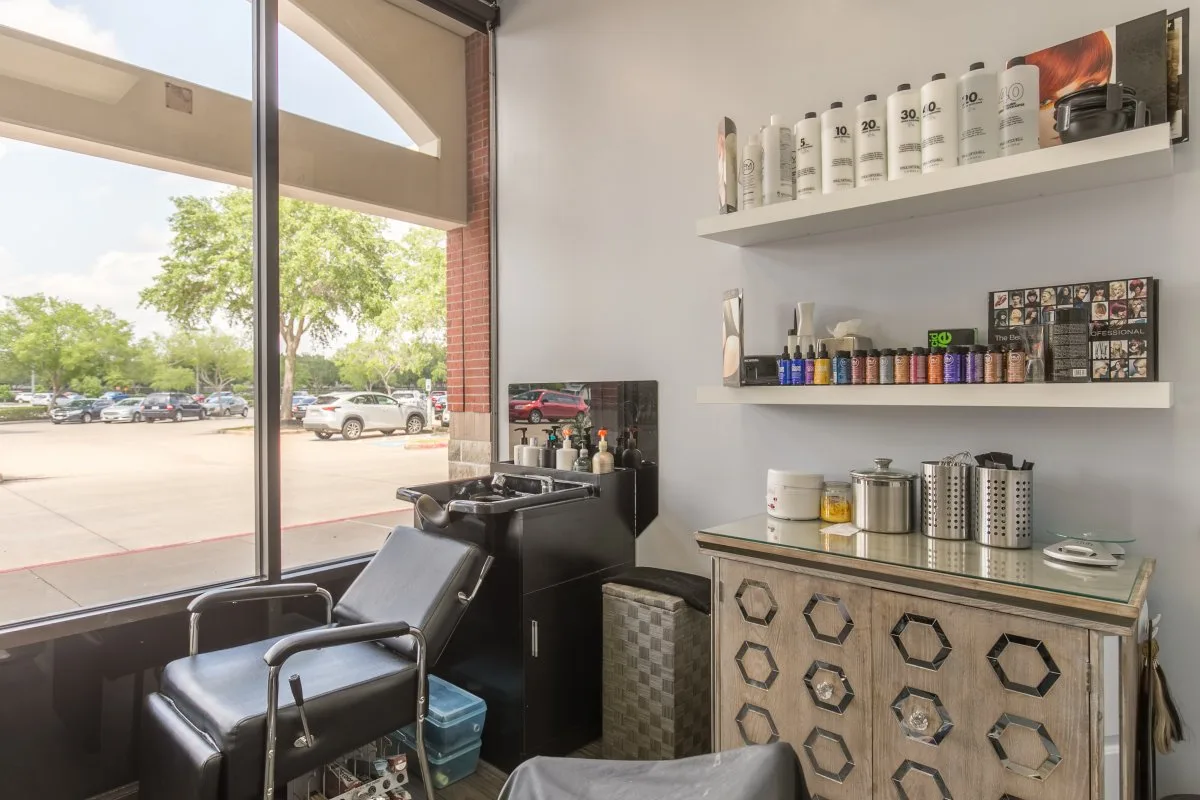
Tour any of our three locations — no pressure, no commitment. Just come see what your future studio looks like.