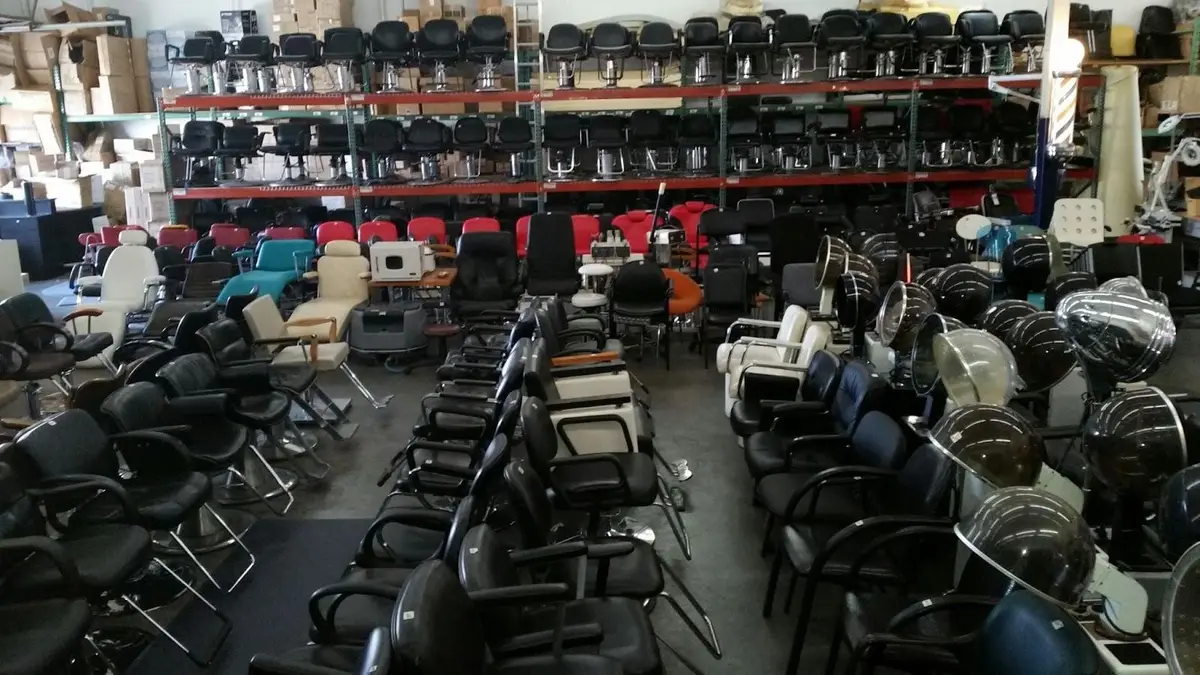
Used salon equipment changes hands every day in Houston. Some of it comes from stylists upgrading their stations, some from salons closing or downsizing, and a lot of it ends up in the suites of independent professionals who are setting up their own space for the first time. This guide covers both sides: how to buy used equipment without getting stuck with a broken chair or an unsafe dryer, and how to sell what you no longer need quickly and safely.
It is written for two kinds of readers. If you are a stylist, barber, esthetician or nail tech outfitting your own private room, start with the buying section. If you are closing a salon, consolidating, or moving into a smaller space of your own, skip ahead to selling.
Buying used salon equipment: what's worth it and what isn't
Most salon furniture is built to take years of daily use, which is why the used market is so active. The trick is knowing which pieces hold up and which ones you should only ever buy new.
Usually fine to buy used
- Styling and barber chairs, as long as the hydraulic pump, base and upholstery check out (see the checklist below).
- Styling stations, mirrors and storage such as cabinets, shelving and retail displays.
- Rolling carts and trolleys for tools and color.
- Facial beds and treatment tables with intact padding and a working tilt or lift mechanism.
- Manicure tables and technician stools.
- Waiting-area seating, if your suite has room for a guest chair.
Check carefully, or buy new
- Anything that heats or plugs in: hood dryers, steamers, wax warmers, sterilizers and hot towel cabinets. Check the cord, the plug and the listing label, and make sure it powers on and heats evenly before you pay.
- Hygiene-critical items: anything porous that touches skin or hair and can't be properly sanitized. Replace cushions, headrest covers and pillows rather than reuse them.
- Small tools like clippers, shears, brushes and implements. Most professionals prefer to buy these new and keep their own.
Shampoo bowls depend on the room
A shampoo bowl is only useful if the space has the plumbing for it. Never buy one on the assumption that a suite will have a hookup in the right place. Ask the building which suites have a sink or shampoo bowl, where the drain sits, and whether you are allowed to install your own fixtures, before you buy anything.
Inspection checklist for used salon equipment
Bring this list with you, and don't be shy about testing everything in person. A seller who won't let you test a chair or plug in a dryer is telling you something.
- Hydraulics: pump the chair to full height and leave someone sitting in it for a minute. It should not sink, leak oil, or squeak under load.
- Base and swivel: look for cracks, wobble and a lock that actually holds.
- Upholstery: tears, cracks and peeling vinyl are hard to sanitize and expensive to recover. Small scuffs are fine.
- Rust and corrosion: check footrests, bases, frames and screws, especially on anything that has lived near water.
- Electrical: frayed or taped cords, missing ground pins, scorch marks, and a missing safety listing label are all deal-breakers.
- Water damage and smells: swollen particleboard, musty odors and stained undersides suggest flood or leak damage.
- Cleanliness: plan to clean and disinfect everything before your first client, whatever the seller says.
- Size: measure your suite, your door and any hallway turns before you go. Bring the tape measure and the numbers with you.
Where to find used salon equipment in Houston
- Facebook Marketplace and local salon-professional groups. The largest supply in the Houston area. Groups for local stylists, barbers and estheticians often post equipment before it hits the open market.
- OfferUp and Craigslist. Good for larger furniture that sellers want gone quickly. Search a few variations: "salon chair", "barber chair", "styling station", "facial bed".
- eBay with local pickup. Useful for searching by brand and model, then filtering to sellers near Houston so you can inspect before paying.
- Salon closings and liquidations. When a salon closes or consolidates, it often sells a full set of matching chairs and stations at once.
- Beauty and cosmetology schools. Schools replace equipment on a schedule and sometimes sell the older pieces.
- Salon equipment dealers. Some dealers sell used, refurbished or ex-showroom stock. You may pay more than a private sale, but you often get the piece serviced and checked.
How to tell if the price is fair
Rather than trusting the asking price, research it. Look up the same brand and model in sold listings, not just active ones, compare the condition and age, and price in what you will spend on repairs, recovering or delivery. A well-known brand in good condition usually holds its value; an unbranded piece with worn upholstery should cost noticeably less. If a deal looks far better than everything else you've seen, inspect it twice.
Selling used salon equipment: how to sell it quickly and safely
If you are closing a salon, downsizing, or moving into a smaller space of your own, selling what you don't need frees up cash for the next step and keeps good equipment in use.
Where to sell
- The same platforms buyers use: Facebook Marketplace, local salon-pro groups, OfferUp, Craigslist and eBay with local pickup.
- Your professional network. Other stylists and barbers, and the professionals in suite buildings, are often the fastest buyers. Many buildings have a community board or group chat for exactly this.
- Beauty and cosmetology schools, which may buy or accept donated equipment.
- Liquidation or auction services, if you are clearing a whole salon at once and want it gone in one go.
- Donation. Schools and nonprofits sometimes accept equipment. If you are hoping for a tax deduction, talk to a tax professional first about what qualifies and what records you need.
Prepare it to sell
- Clean and disinfect every piece, and tighten anything loose.
- Take bright, sharp photos from several angles, including any wear. Honest photos mean fewer wasted trips.
- List the brand, model number, dimensions and age, and whether it works on standard household power.
- Say clearly whether you can help load it, and when it's available for pickup.
How to price it
Use the same method buyers use: search sold listings for the same brand and model, adjust for condition and age, and leave a little room to negotiate. If you are selling a full set, price it as a bundle and say you'll split it later if it doesn't move. Lower the price in steps if you get views but no messages.
Sell safely
- Meet in a public place for small items, or use porch pickup for large ones, and have someone with you.
- Be wary of buyers who offer to overpay and ask you to send back the difference, or who want to pay by check and collect the item before it clears. Those are classic scams.
- Take cash, or confirm that an instant payment has landed in your account before the equipment leaves your hands.
- Don't share personal or banking details beyond what the payment actually needs.
Moving from your own salon into a private suite
A lot of the used equipment for sale in Houston comes from owners who have decided to stop managing a full salon and work for themselves in a private suite instead: one room, their own clients, no staff to manage. If that's you, don't sell everything. Keep the tools you love, the chair that fits you, and the pieces that make your space feel like yours, then sell the rest.
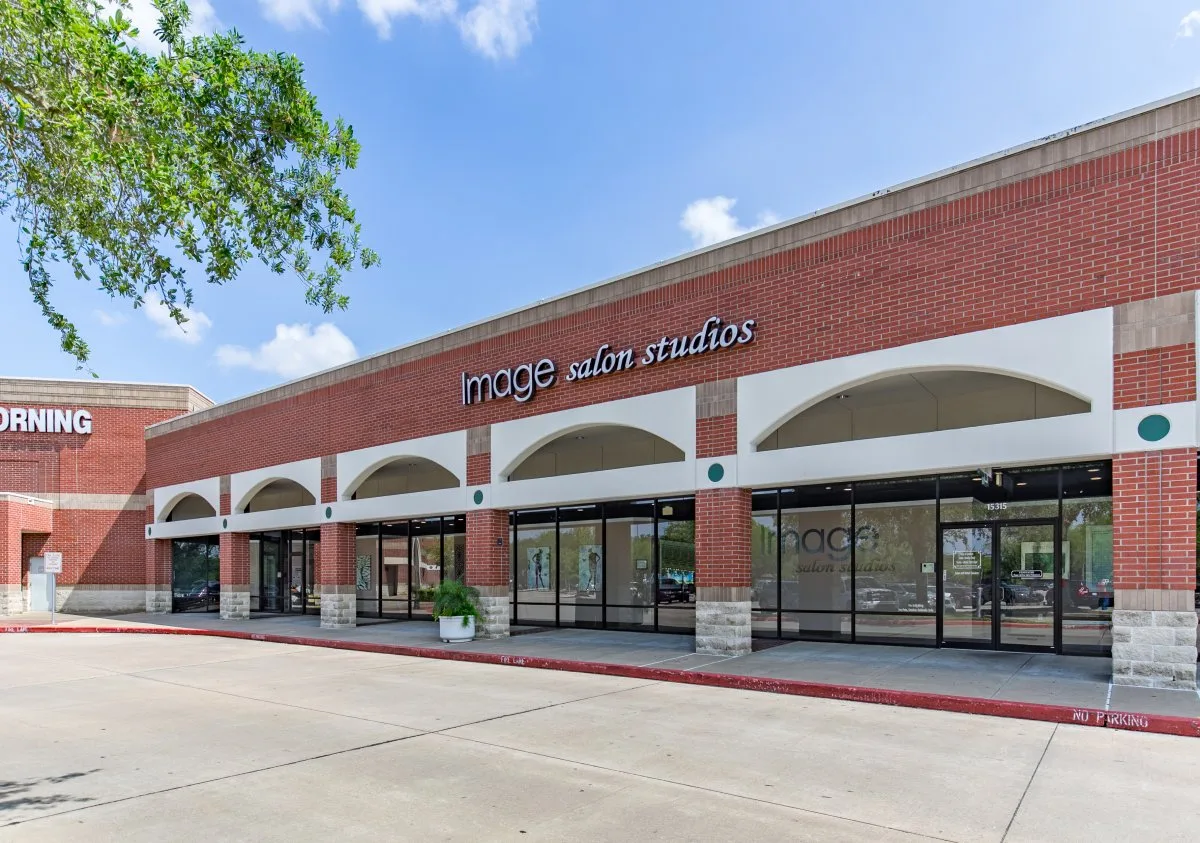
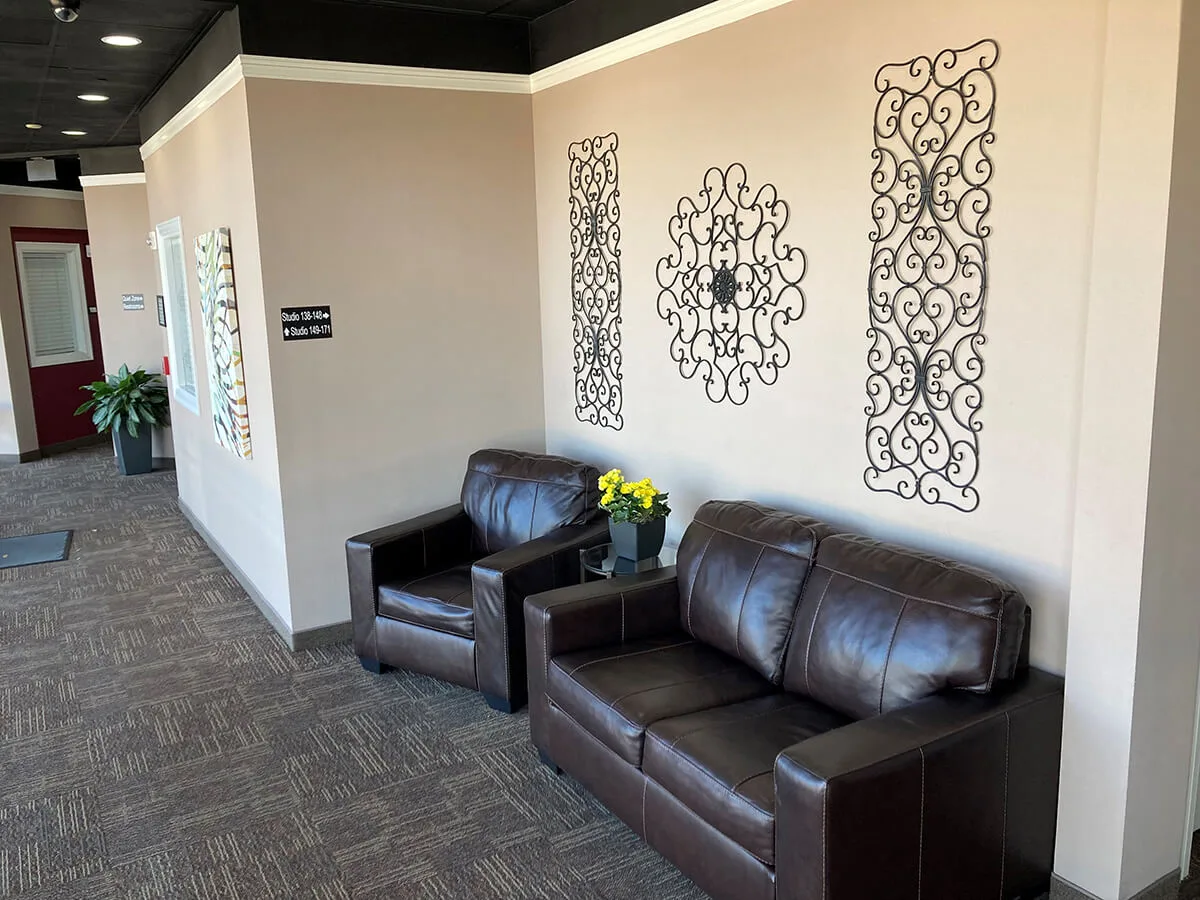
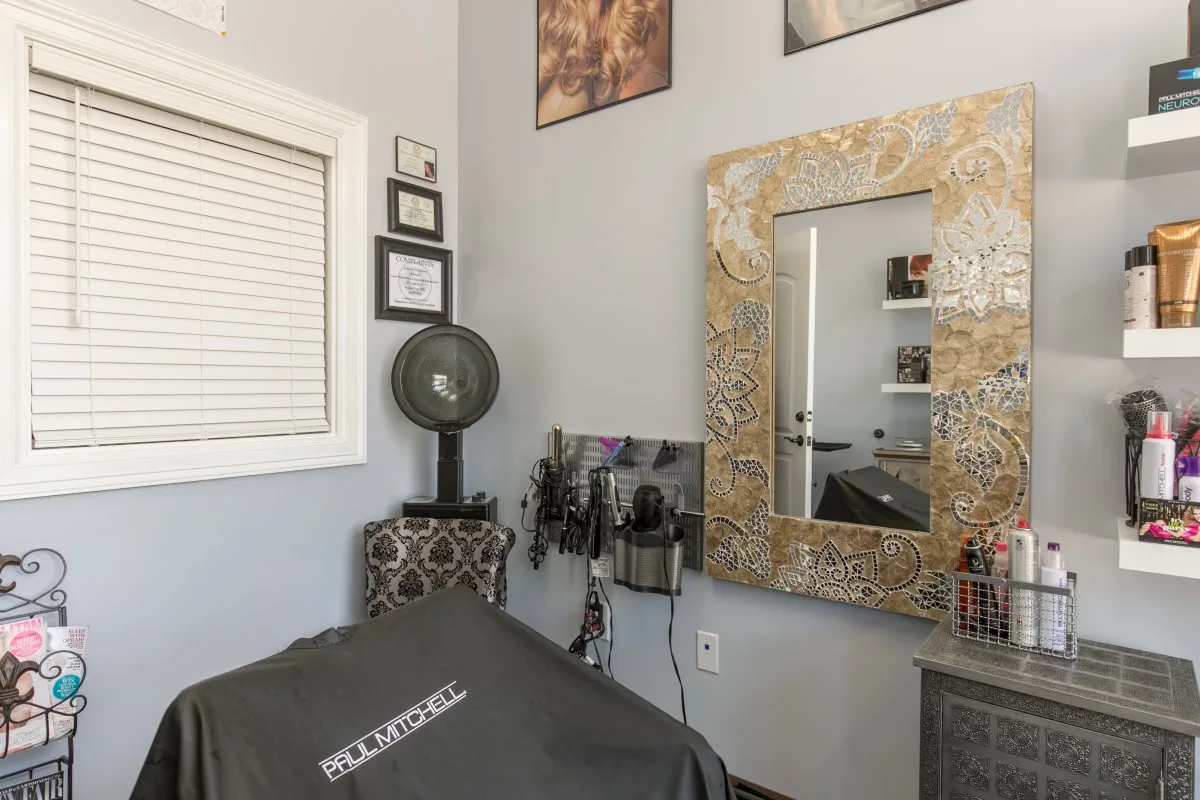
Before you decide what to keep, find out what your new space includes. At Image Salon Studios every suite is private and lockable, with utilities, Wi-Fi, 24/7 access, on-site management and complimentary washers and dryers included; ask on your tour which suites have a sink or shampoo bowl and what you can bring in. You can see private salon suites for rent in Houston at Royal Oaks on Westheimer, or our Sugar Land salon suites in First Colony.
If you are new to suites, start with what a salon suite is and how it works, then use our essential salon suite tools guide to see what you'll need on day one and our salon suite business plan template to plan the move. When you're ready, schedule a tour and bring your measurements. Once you're settled, a free listing in our stylist directory helps clients find you.
Frequently asked questions
Is it safe to buy used salon chairs?
Yes, if you inspect them first. Test the hydraulics under load, check the base and swivel lock, and look for torn upholstery and rust. A chair that sinks, leaks or wobbles will cost you more to fix than it saves.
What salon equipment should I buy new?
Small tools you use on every client, anything porous that touches skin or hair, and any heated or electrical equipment you can't test or verify. Furniture such as chairs, stations and carts is usually fine used.
Where can I sell salon equipment in Houston?
Facebook Marketplace and local salon-professional groups, OfferUp, Craigslist, eBay with local pickup, your professional network, and beauty schools. For a full salon, a liquidation or auction service can clear everything at once.
How do I price used salon equipment?
Search sold listings for the same brand and model, adjust for condition and age, and leave room to negotiate. Bundle matching pieces if you are selling a full set.
Related Articles
Related at Image Salon Studios Looking for space of your own? See our salon suites for rent in Houston.
Ready to Feel the Vibe in Person?
Tour any of our three locations — no pressure, no commitment. Just come see what your future studio looks like.