Becoming a licensed massage therapist in Texas follows a clear path, but there are a few steps — like the fingerprint background check and the rules about where you can practice — that catch new therapists off guard. The Texas Department of Licensing and Regulation (TDLR) licenses massage therapists, massage schools and massage establishments. This guide walks through each step, then covers what most guides skip: what to know before you work from your own room.
Everything below comes from TDLR’s own massage therapy pages. Requirements and forms change, so always confirm the current details on TDLR’s massage therapist license page before you apply.
Texas massage therapist license requirements at a glance
- Education: at least 500 hours of coursework in massage therapy studies at a massage school licensed in Texas.
- Exam: a massage therapy licensing exam; TDLR’s FAQ points students to the Federation of State Massage Therapy Boards (FSMTB) to schedule the MBLEx.
- Background check: fingerprinting for a national criminal history record review after you apply, before a license can be issued.
- Application: submitted to TDLR with official certified transcripts of your coursework, plus a non-refundable application fee (check TDLR for the current amount).
- License term: two years from the date it is issued, then renewal with continuing education.
Step 1: Complete 500 hours at a licensed massage school
Your hours must come from a massage school licensed in Texas, and all 500 hours must appear on a transcript, so check a school’s TDLR license before you enroll. Programs cover massage techniques along with anatomy, physiology, pathology, ethics and Texas laws and rules. Full-time students usually finish in a matter of months; part-time and evening programs take longer, so ask each school for its real schedule and its exam pass rates.
While you train, pay attention to the work you enjoy most. Deep tissue, prenatal, sports or relaxation massage — the clients you practice on now become your first book of business later. Our post on why massage therapy matters in a salon suite setting shows how massage fits alongside other beauty and wellness services.
Step 2: Pass the licensing exam
Once your training is complete, you sit for the licensing exam. TDLR’s FAQ directs students to FSMTB to schedule the MBLEx (Massage and Bodywork Licensing Examination). Some applicants may also need to complete other TDLR requirements, such as a jurisprudence exam on Texas massage laws or current CPR certification — confirm exactly what applies to you on TDLR’s application page before you schedule anything.
Step 3: Apply to TDLR and get fingerprinted
Submit your application to TDLR with official certified original transcripts of all relevant coursework. After you apply, you must be fingerprinted for a national criminal history record review before your license can be issued. If you have any prior convictions, TDLR asks you to include a completed Criminal History Questionnaire with your application — do this up front to avoid delays.
Licensed in another state, or trained outside Texas? TDLR handles that through its out-of-state applicant process rather than the standard application, so start on its out-of-state transfer page.
Keeping your license: renewal and continuing education
Your license is valid for two years. According to TDLR’s continuing education page, massage therapists must complete at least 12 hours of TDLR-approved or recognized continuing education to renew. Acceptable topics include massage therapy practice, anatomy, physiology, pathology, professional ethics and massage therapy laws and rules. Check TDLR’s page before each renewal cycle in case any course requirements have changed.
Where massage can be performed: the establishment license
This is the rule most new therapists don’t know about. TDLR defines a massage establishment as any place of business that advertises or offers massage therapy or other massage services, and an establishment must be licensed before it can operate. Licensed establishments are inspected once every two years and may employ only licensed massage therapists to perform massage. Details are on TDLR’s massage establishment page.
There is an important exception for therapists working on their own. TDLR’s massage therapy FAQ explains that if only one massage therapist ever works in a salon location and all advertising includes that therapist’s license number or full name, the location falls under the solo practitioner exemption — just like a massage therapist’s private office. If more than one therapist works there, or the advertising doesn’t meet that standard, a massage establishment license is required. Because your situation determines which rule applies, confirm it with TDLR before you open your doors.
Where to work after you’re licensed
New massage therapists in Houston usually choose between three paths:
- A spa, clinic or chain on commission or hourly pay. The fastest way to build hands-on hours and a steady schedule, but the business sets your services, your rates and your share of each session.
- Renting a room inside someone else’s business. More control, but often shared space, the host’s schedule and the host’s rules.
- Your own private room. Your own lockable space, your own brand, your own hours, and you keep what you earn after a flat monthly rent.
Many therapists start with an employer to build experience and clients, then move into their own room once their book is steady. If you are weighing that move, run your numbers through our commission vs. lease comparison to see what you would actually keep.
Renting your own massage room
Massage needs a calm, quiet space — not a busy open floor. That’s why many therapists look for fully private rooms; we cover what to look for in finding the best quiet rooms for lease in Houston and Sugar Land. Before you sign, ask how the space handles noise, lighting and client privacy, and make sure your setup and advertising line up with TDLR’s establishment rules described above.
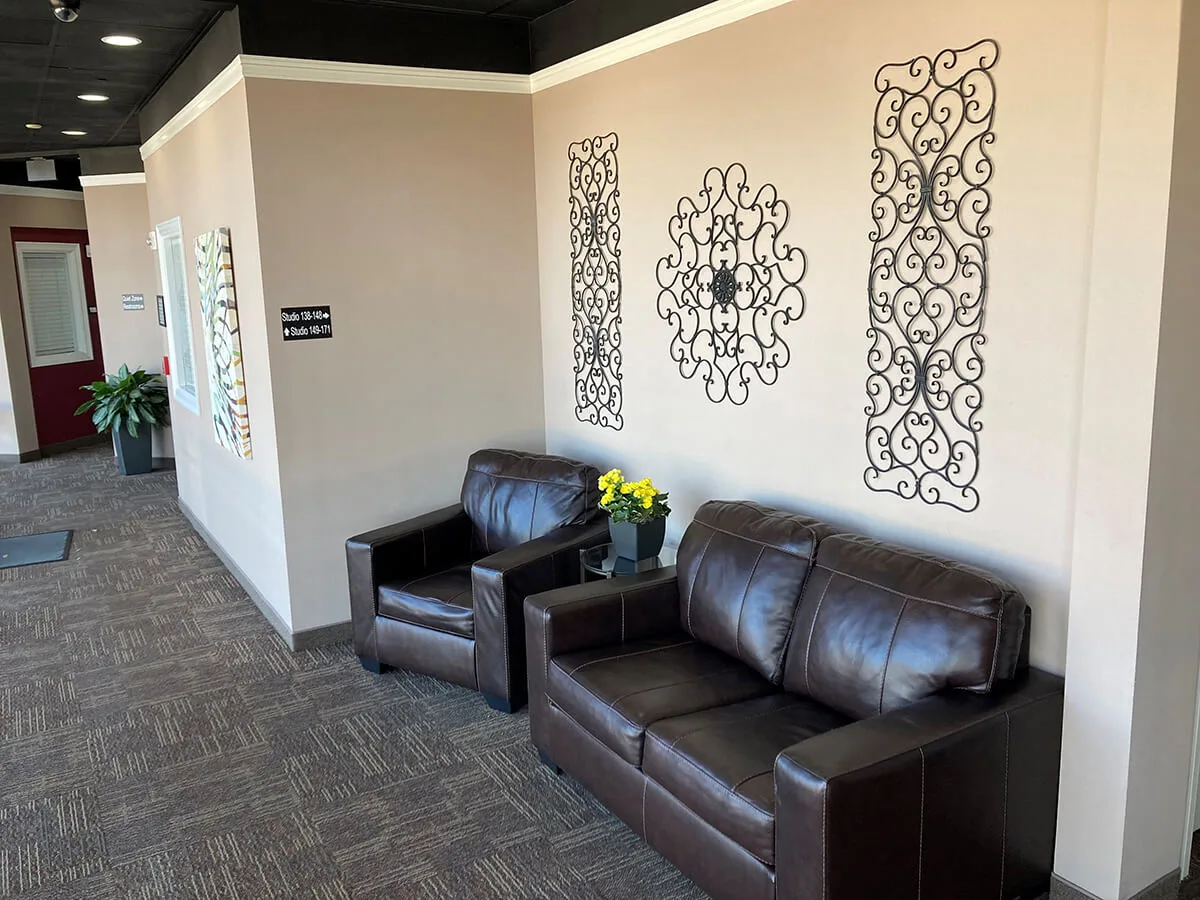
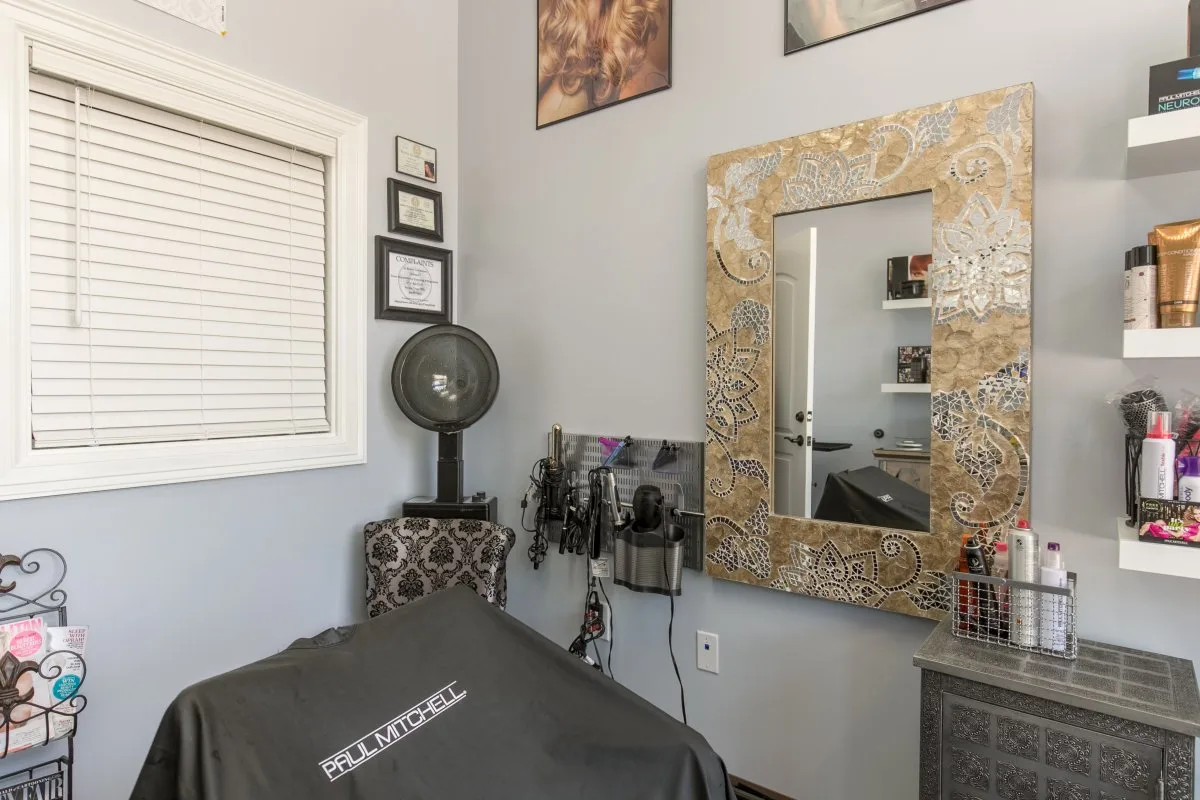
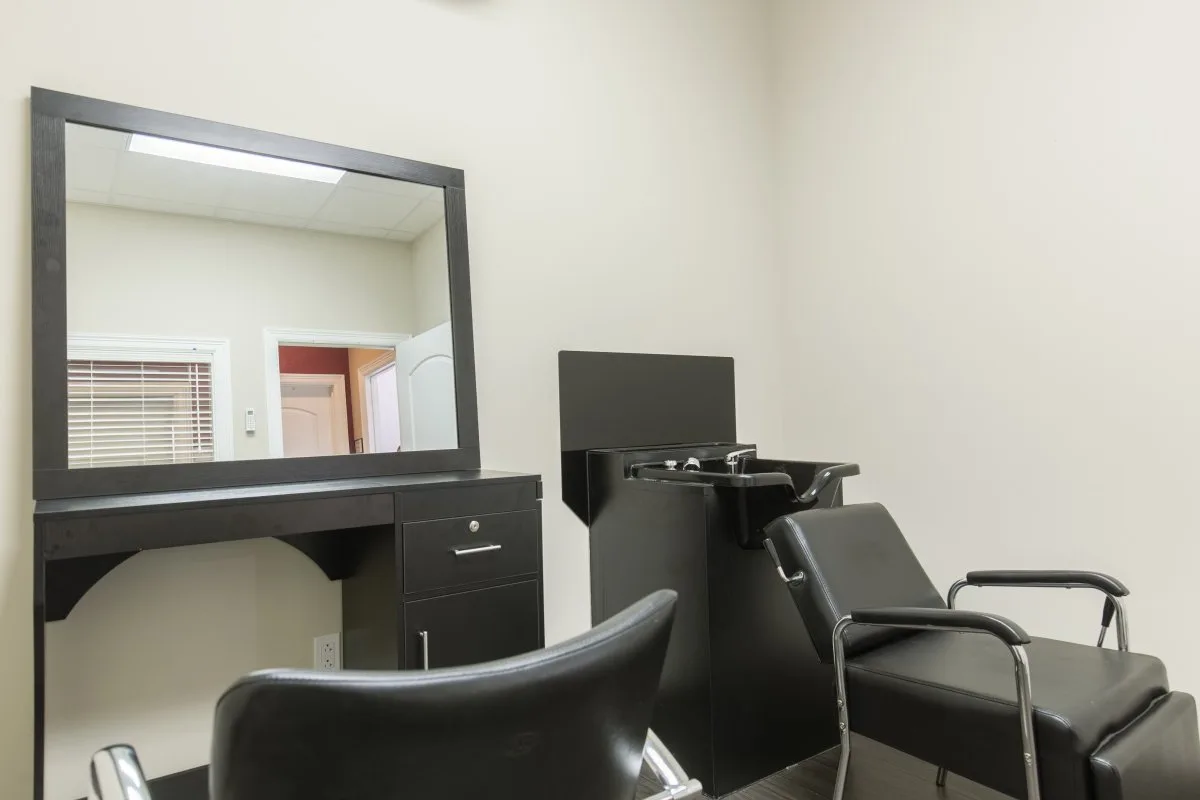
If you are ready to see a room in person, Image Salon Studios offers massage room rental in Houston at Royal Oaks Village on Westheimer, plus private suites at our Sugar Land locations in First Colony. Every suite is private and lockable, with utilities, Wi-Fi and 24/7 access included. Schedule a tour and bring your questions about setting up your first massage room.
Frequently asked questions
How many hours do you need for a massage license in Texas?
At least 500 hours of coursework in massage therapy studies at a massage school licensed in Texas.
Do Texas massage therapists need a background check?
Yes. After you submit your application, you must be fingerprinted for a national criminal history record review before TDLR can issue your license.
How long is a Texas massage therapist license valid?
Two years from the date of issue. To renew, you complete at least 12 hours of TDLR-approved or recognized continuing education.
Do I need a massage establishment license to work from my own suite?
It depends. TDLR’s FAQ says a location where only one massage therapist ever works, with all advertising including that therapist’s license number or full name, falls under the solo practitioner exemption. Otherwise, a massage establishment license is required. Confirm your situation with TDLR before you start seeing clients.
Related at Image Salon Studios Looking for space of your own? See our massage room rental.
Ready to Feel the Vibe in Person?
Tour any of our three locations — no pressure, no commitment. Just come see what your future studio looks like.